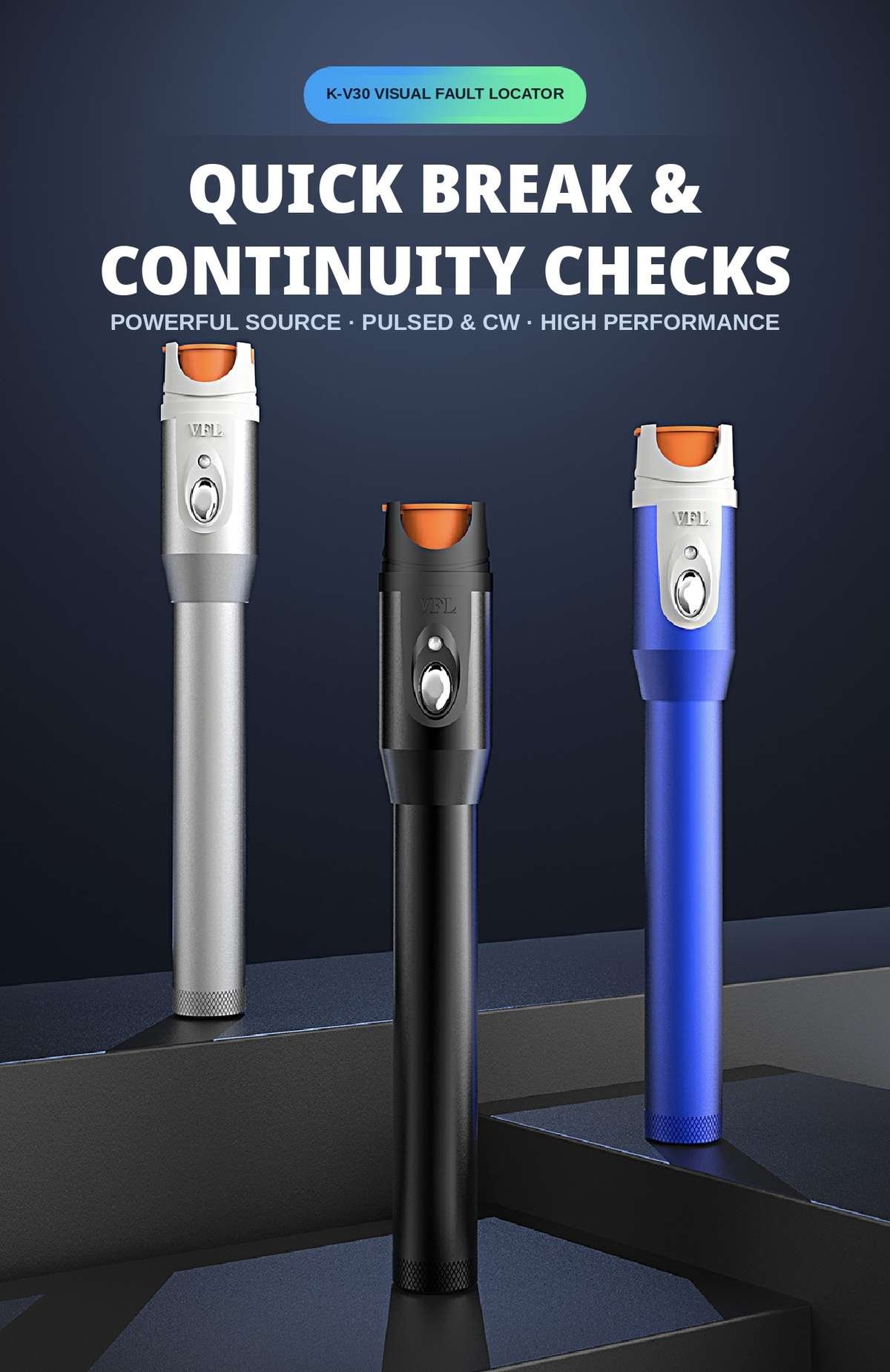
K-V30 Visual Fault Locator: One Red Pen, Five Power Levels
The K-V30 pen-style visual fault locator puts a 650 nm red beam in five power levels from 5 to 50 mW, with a 2.5 mm universal connector, one-button CW and blink control, and a user-replaceable ceramic ferrule.
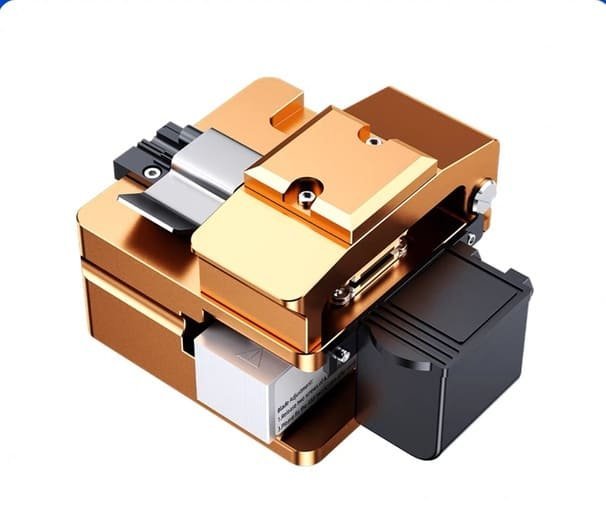
K-10 Manual Fiber Cleaver: A Compact, Manual-Reset Cutter for Everyday Splicing Prep
The K-10 is a compact manual-reset fiber cleaver with a 48,000-cleave tungsten blade, 0.5° cleave angle, and built-in scrap collector for FTTH and backbone crews.
Ribbon Fiber Cleaving: What Changes When You Cleave 12 Fibers at Once
Cleaving a 12-fiber ribbon means twelve end faces in one stroke. How the holder, cleave length, and inspection change when one cut becomes twelve.
Selling to Contractors vs Distributors: Two Different Ways Fiber Tools Get Bought
Contractors buy complete kits and fast restock; distributors buy range, margin and stock depth. How the same fiber tools get sold two different ways.
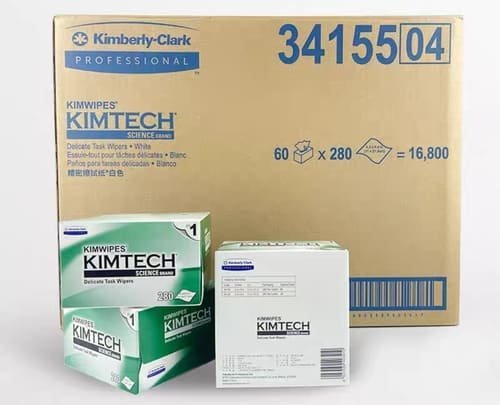
Fiber Optic Cleaning Supplies: Cassettes, Pens, and Wipes — What Each One Is For
Cassettes, pens, and wipes clean a fiber end face for different access: exposed plugs, bench runs, or connectors inside adapters. How to choose the right format.
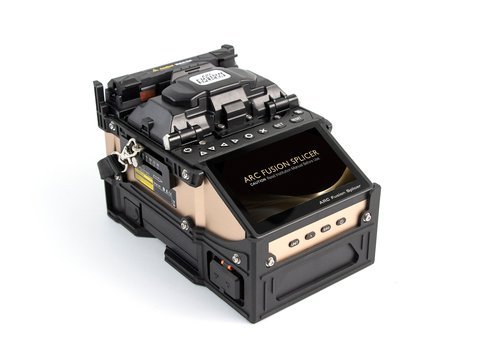
Mechanical Splice or Fusion Splice: Choosing the Right Joint for the Job
Fusion splicing fuses glass into one joint; mechanical splicing holds aligned fibers in a fixture. How to choose by permanence, performance, and job size.
Splice Loss Troubleshooting: What to Check When the Splicer Estimate Looks High
A high splice loss estimate usually traces to the cleave, dirty V-grooves, or worn electrodes. Work through these checks in order before remaking the joint.
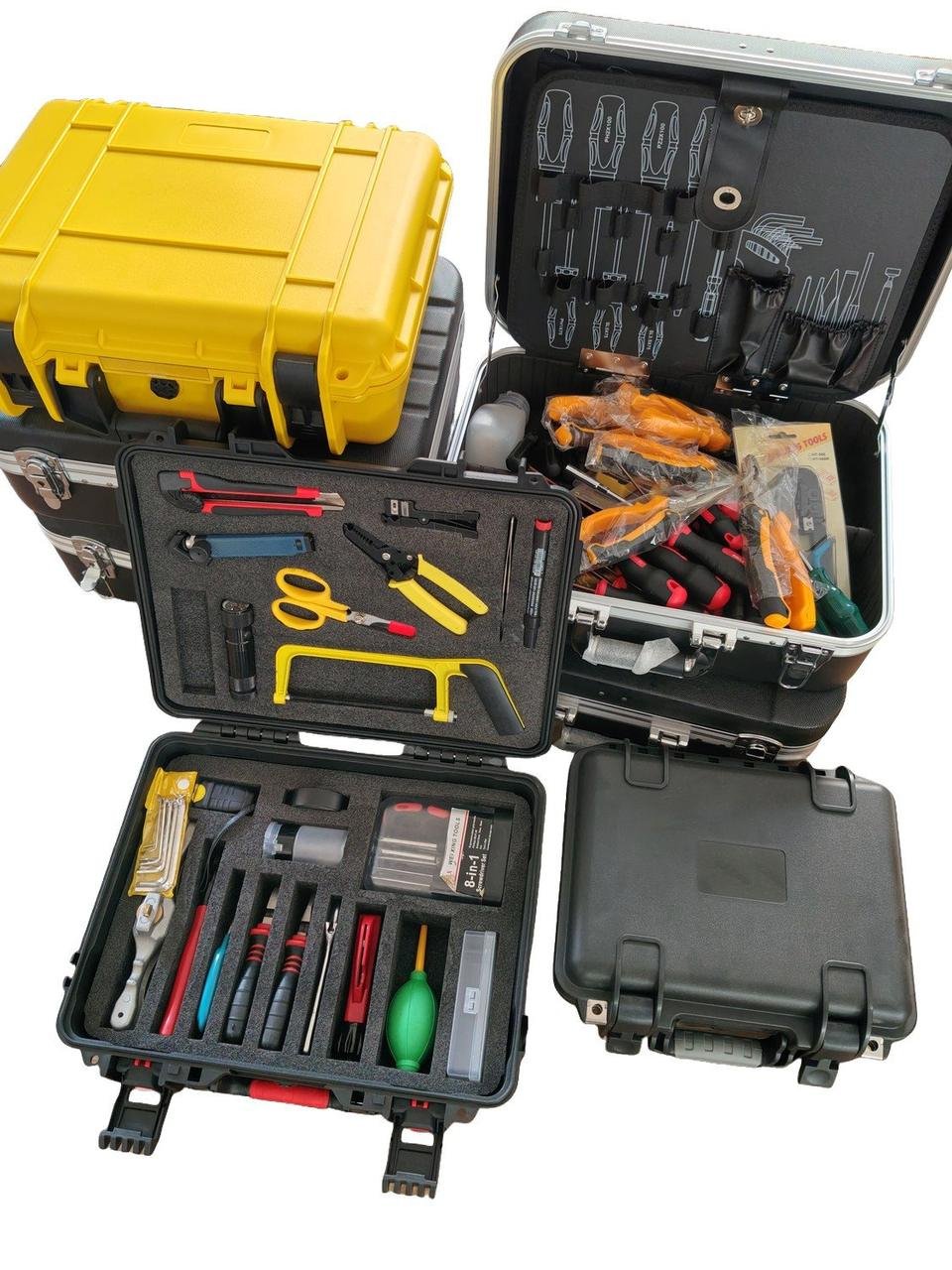
Buying Fiber Tools for a Growing Crew: What Changes as You Scale
Scaling from one crew to several changes how you buy fiber tools. Here is what to standardize, stock, and plan for before growth turns into chaos.
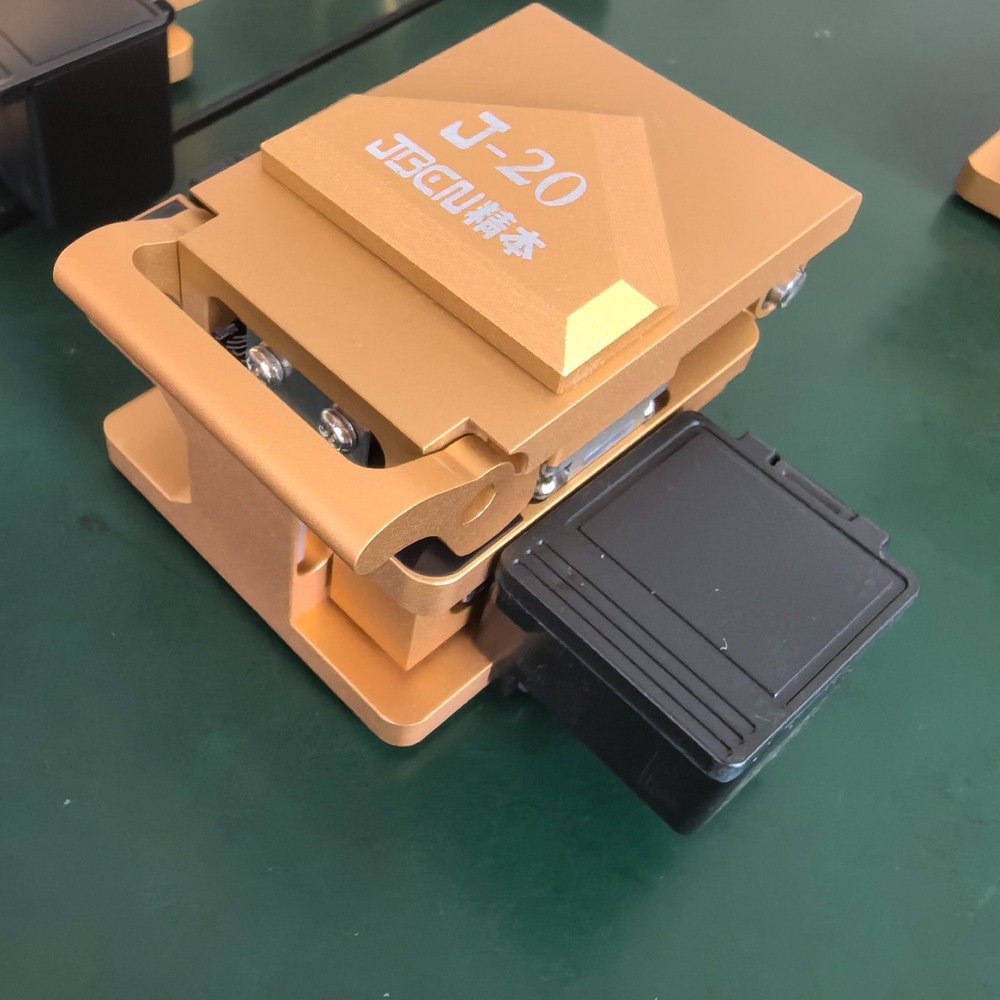
J20 High Precision Fiber Cleaver: One Tool for Single Fiber and Ribbon Work
The J20 high precision fiber cleaver handles single fiber and ribbon fiber up to 12 fibers, with a 48,000-cleave blade, 9–16 mm cleave length and 0.5° cleave angle.
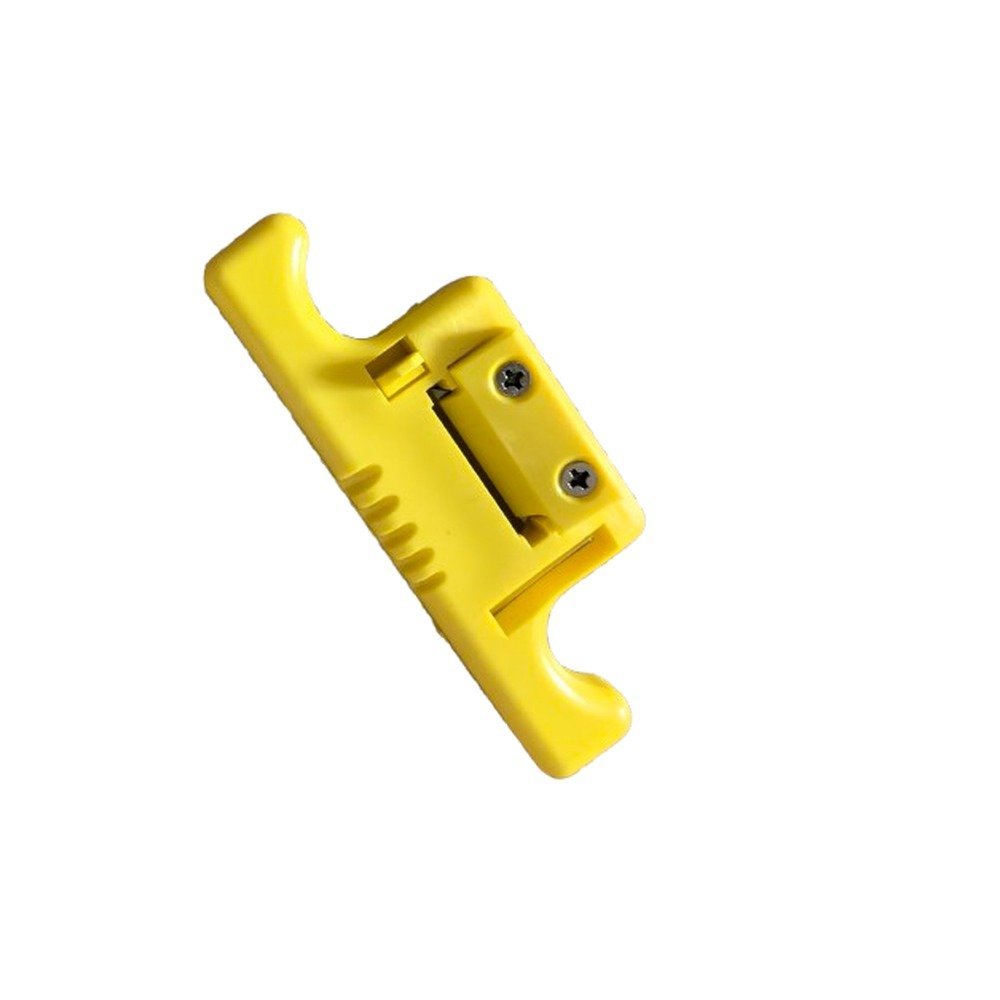
Mid-Span Access Explained: How the K-MSAT5 Opens a Loose Tube Mid-Route
Mid-span access lets a crew branch a loose tube cable without cutting it. Learn how the K-MSAT5 shaves a buffer tube to reach only the fibers you need.
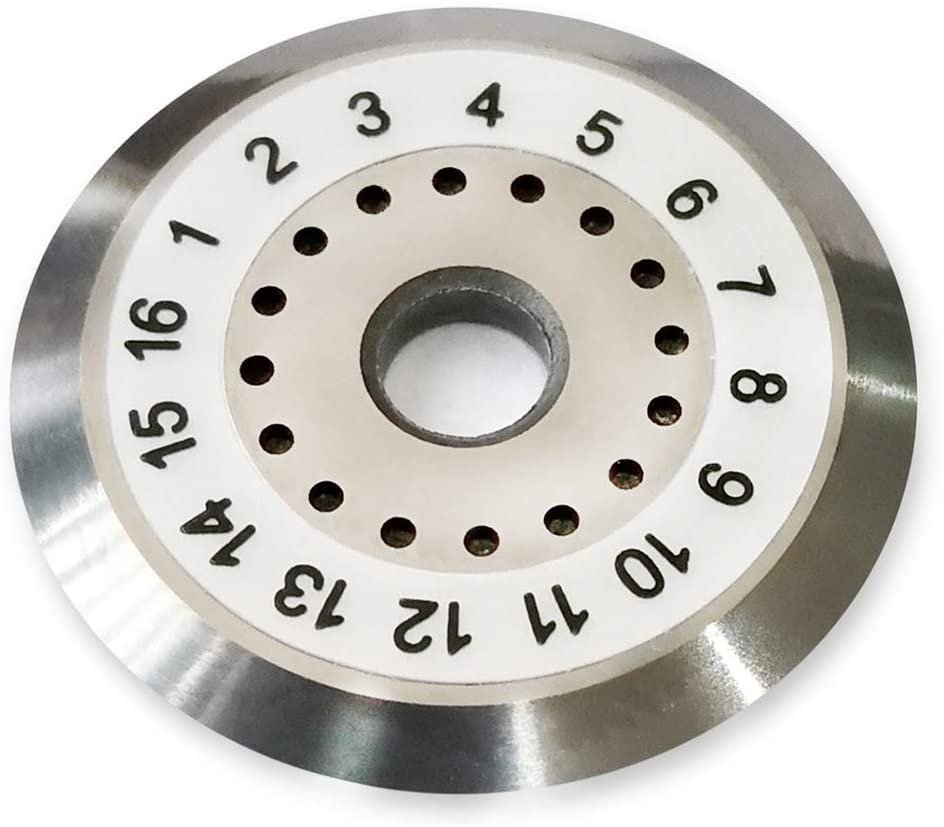
Fusion Splicer Spare Parts: Blades, Electrodes, and the Consumables That Keep a Splicer Earning
A splicer only earns when its blade cuts clean and its arc stays stable. How spare blades, electrodes, and consumables keep splice quality — and crews — on schedule.
Cleaning Fiber End Faces: The Wet-to-Dry Wipe Routine
Dirty end faces cause loss, reflectance and failed tests. The wet-to-dry lint-free wipe routine, step by step, plus habits that keep connectors clean.
SD-9 Fusion Splicer: 6-Motor Core Alignment for Faster, Steadier Field Splicing
The SD-9 fusion splicer pairs 6-motor core alignment with 5-second splicing and 11-second heating, plus a built-in VFL and power meter for field crews.
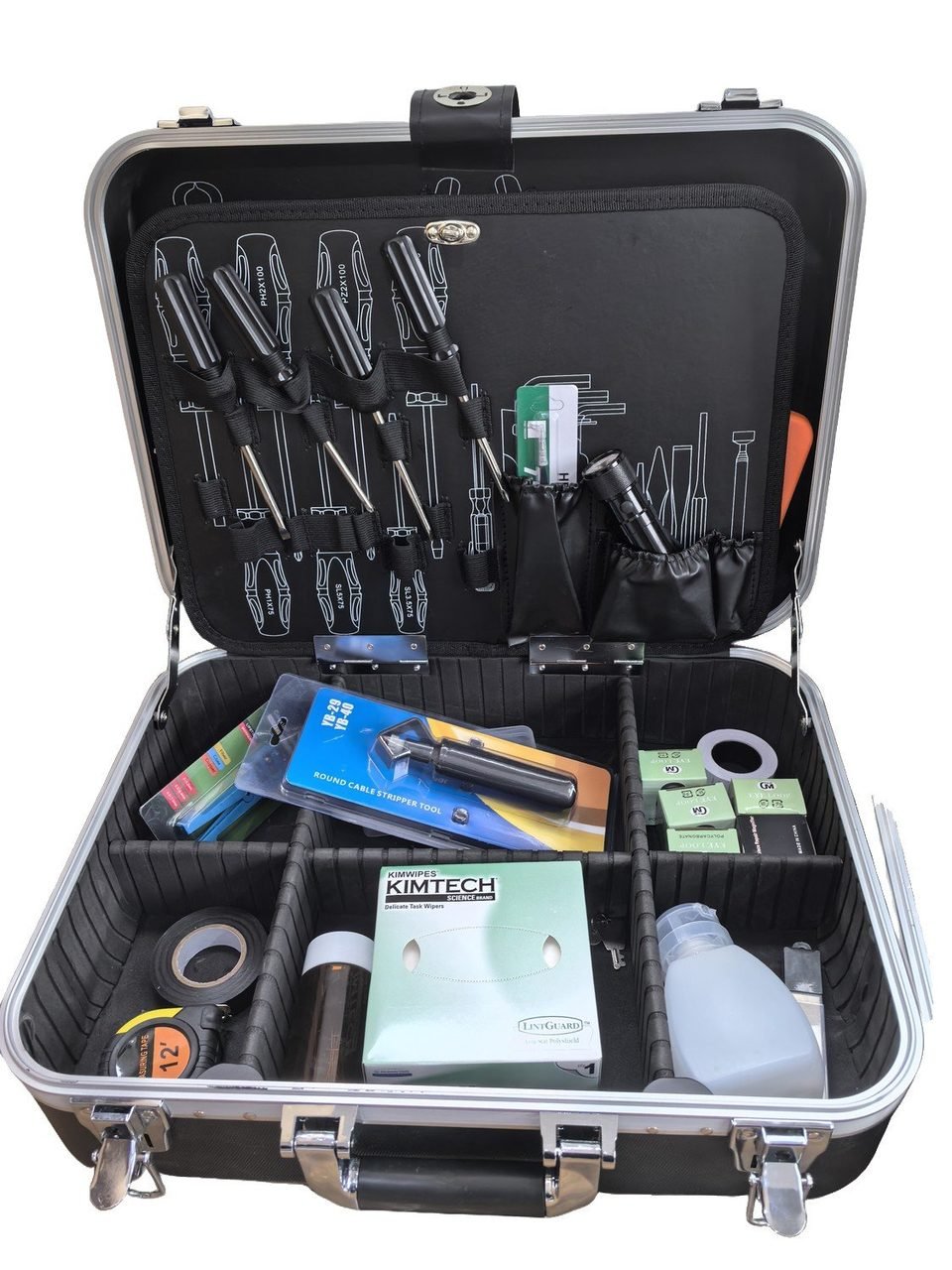
Setting Up a Splicing Van: A Practical Checklist
A practical checklist for setting up a fiber splicing van: build the layout around the splicing station, plan power and light, and never run out of consumables.
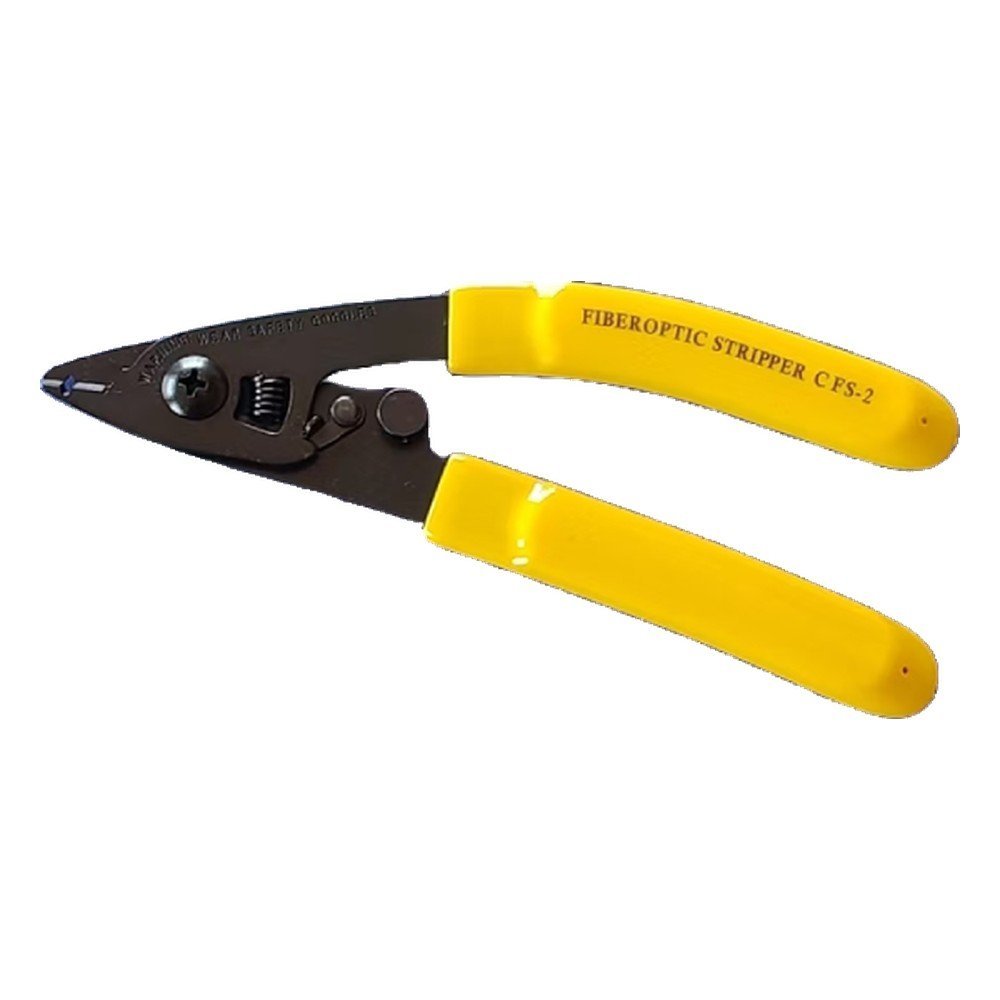
Which Stripper for Which Cable: A Field Guide to Fiber Strippers
Match the stripper to the cable: CFS-2/3, K-870, K-6, K-MSAT5, and K-ACS each fit a different cable, and the right hole keeps the fiber nick-free.
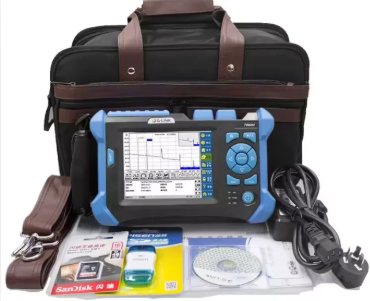
K-600 OTDR: One Handheld Tester for FTTx, Metro, and Backbone Work
The K-600 Series OTDR is a portable handheld tester for FTTx, metro, and backbone fiber: accurate fault location, reference-trace comparison, and PC acceptance reports.
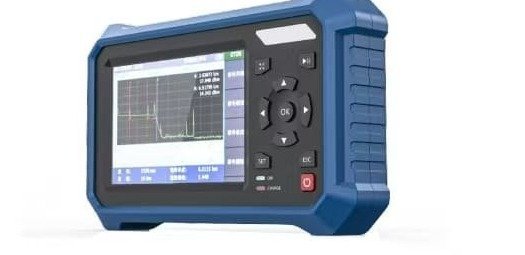
K-100 Multi-Functional OTDR: Five Testers in One Handheld Unit
The K-100 packs OTDR, power meter, light source, fault locator, and RJ45 testing into one handheld unit, with one-button AUTO testing and an Expert mode.
OTDR Basics: Reading a Trace in 5 Steps
Learn to read an OTDR trace in five practical steps: launch level, slope, events, end reflection, and the checks that keep a trace honest.

K-870 Tri-Hole Fiber Optic Stripper: Three Holes, One Clean Prep
The K-870 tri-hole stripper handles 3 mm jackets, 900 µm buffers, and 250 µm coatings in one hand-held tool, giving crews a clean prep for termination and repair.
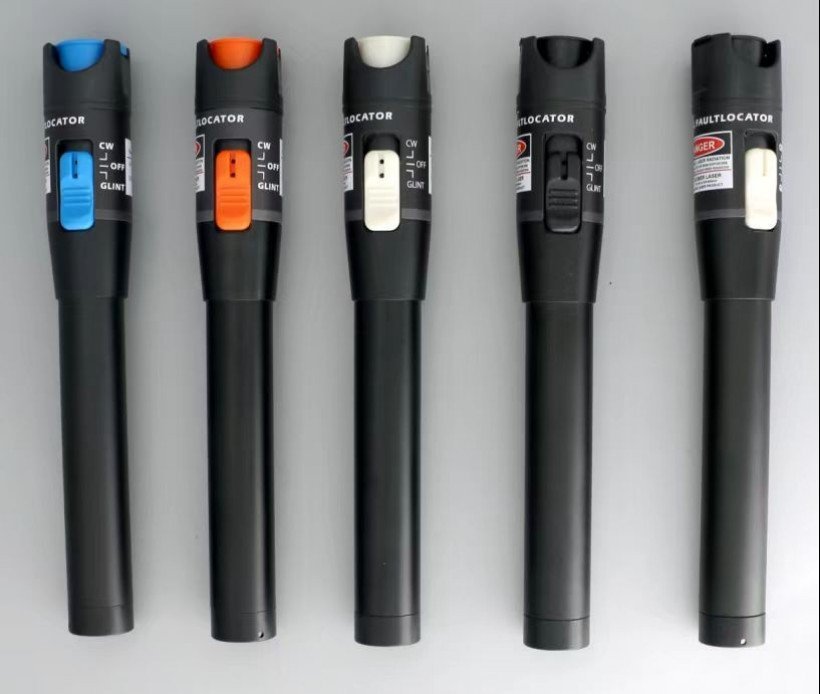
Finding a Fiber Break with a VFL: How the Red Light Test Works — and Where It Stops
How a visual fault locator finds fiber breaks, bends and bad connectors with red light — and its limits on long spans, splitters and loss measurement.
Inside a Fiber Optic Tool Kit: What's Inside, and Who It's For
What is inside a fiber optic tool kit, from cable slitters and strippers to cleavers and cleaning tools — and which kit size suits each kind of field crew.
Tools That Survive Field Work: What Durability Really Means for Fiber Crews
Field work is hard on fiber tools: drops, dust, rain and van vibration. What makes a tool survive, and how crews keep their kits working job after job.
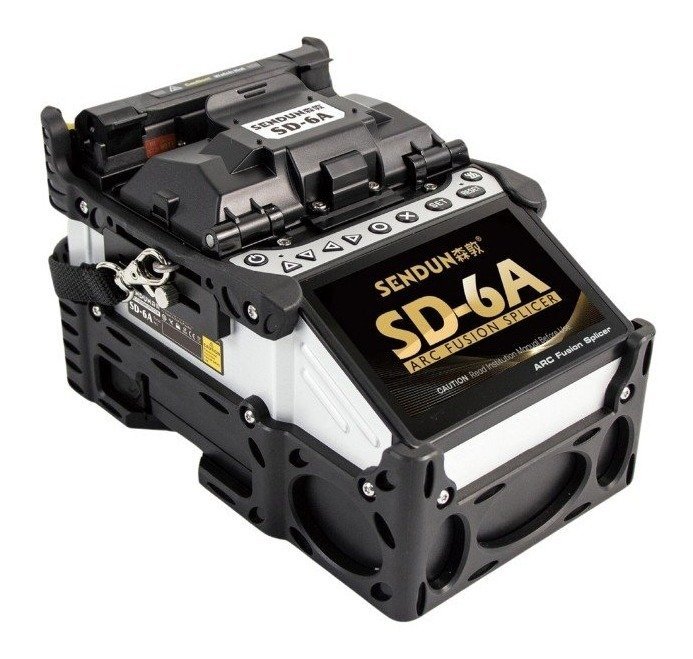
SD-6A Fusion Splicer: 4-Motor Core Alignment for FTTH and Backbone Work
The SD-6A fusion splicer uses 4-motor core alignment with 6-second fast splicing and fully automatic operation, for FTTH drops through to backbone joints.
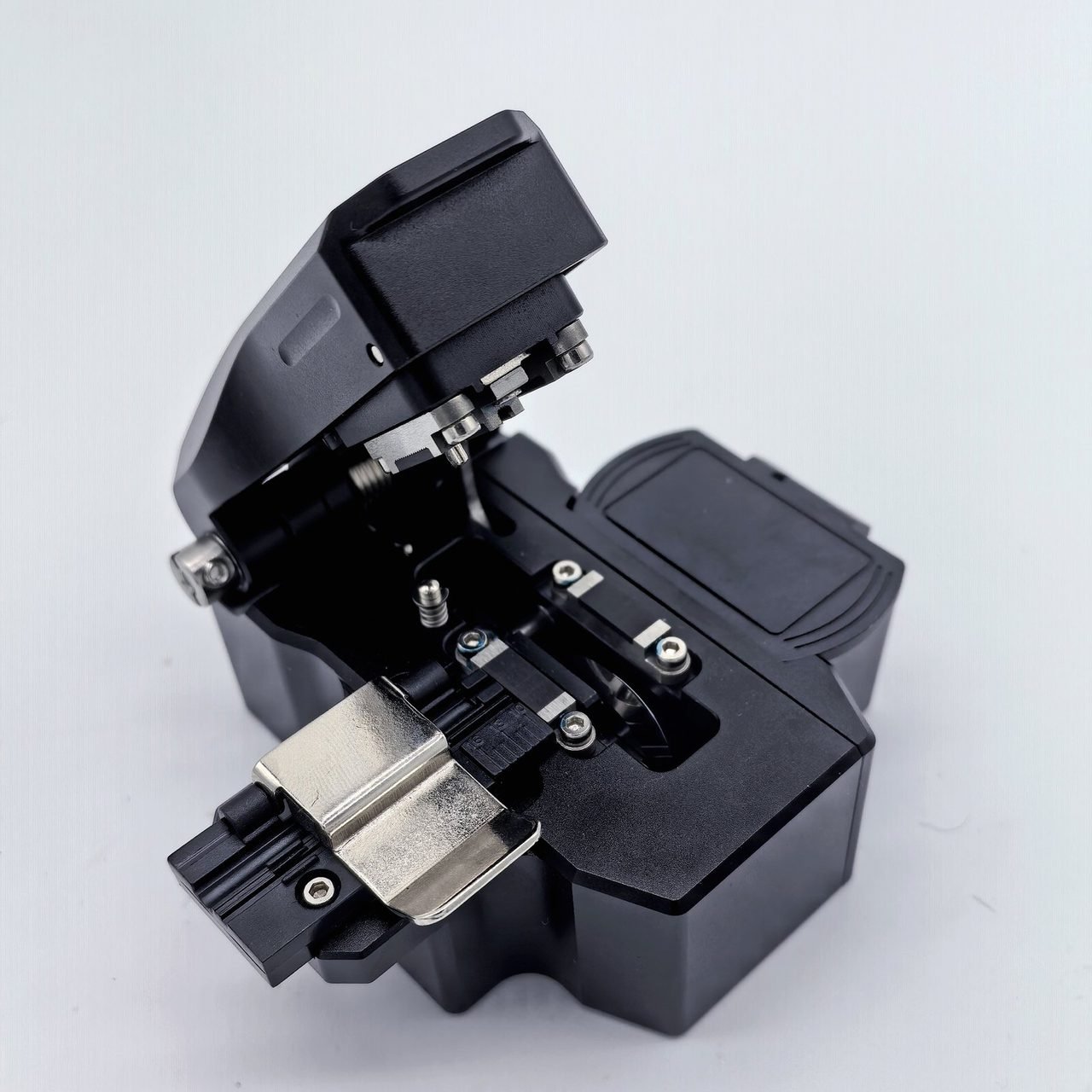
Cleave Quality and Splice Loss: Why a Clean Cut Makes a Better Joint
Why cleave quality drives splice loss: what makes a clean, flat fiber end face, how a poor cleave weakens a joint, and how crews keep cuts consistent on site.
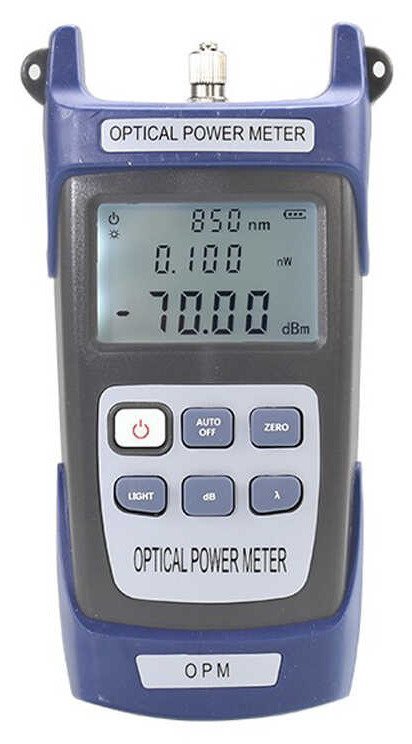
K-527 Optical Power Meter: The Daily Checks That Keep a Fiber Link Honest
How crews use the K-527 optical power meter every day: installation and activation checks, routine maintenance readings, and narrowing down a reported fault.
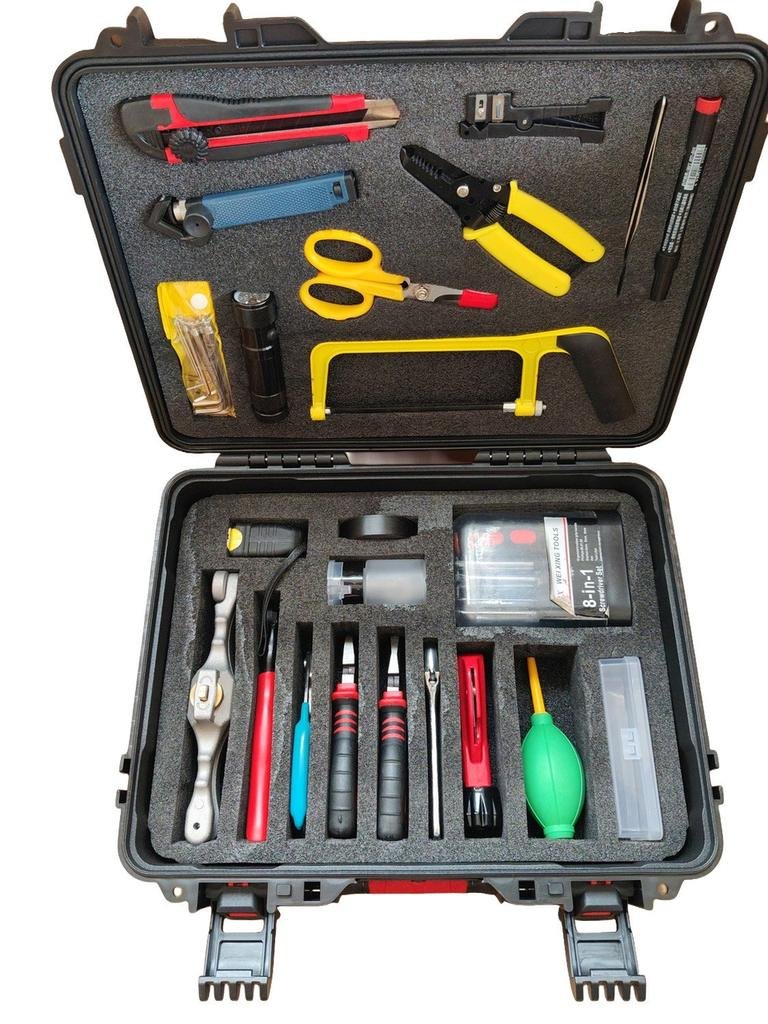
Hard Case, Foam Slots: The K-26 Fiber Optic Tool Kit
The K-26 fiber optic tool kit travels in a hard case with a foam slot for every tool — protection on the road and a one-glance count when the job is done.
A Tool Kit Built Around Your Job: Custom Kits, Your Pick of Tools
A fixed kit never fits every crew. Licoom builds fiber optic tool kits around your job — your pick of tools, your case, your label — for crews and distributors.
The Red Pen That Finds the Break: K-V10 Visual Fault Locator
The K-V10 pen-style visual fault locator sends a 650nm red beam down the fiber so breaks, sharp bends and bad connectors glow — even inside an OTDR dead zone.
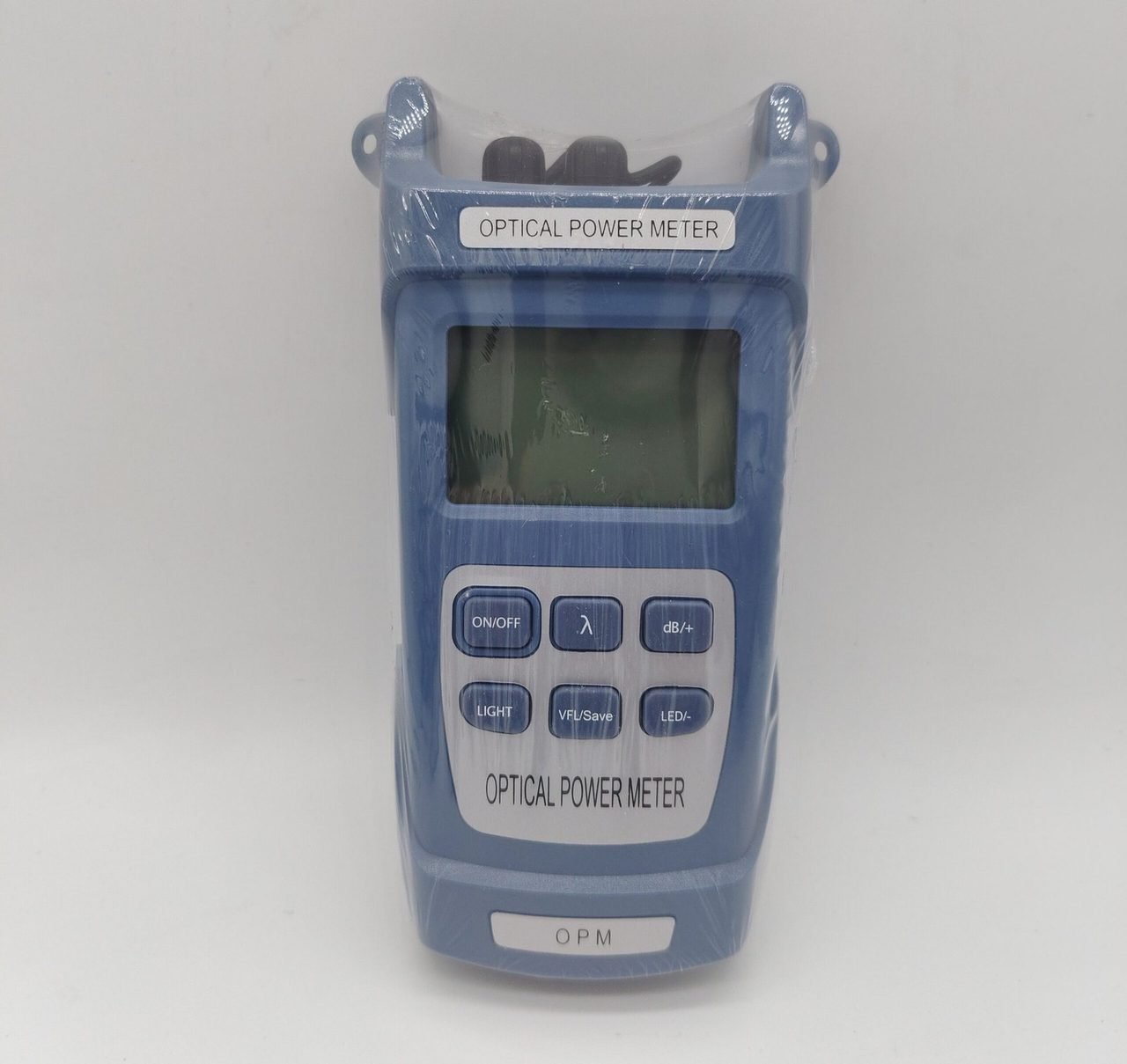
How to Use an Optical Power Meter: Reading dBm on FTTH Jobs
Learn how to use an optical power meter on FTTH jobs: cleaning connectors, choosing 850/1310/1490/1550 nm, setting a reference, and reading dBm vs dB.
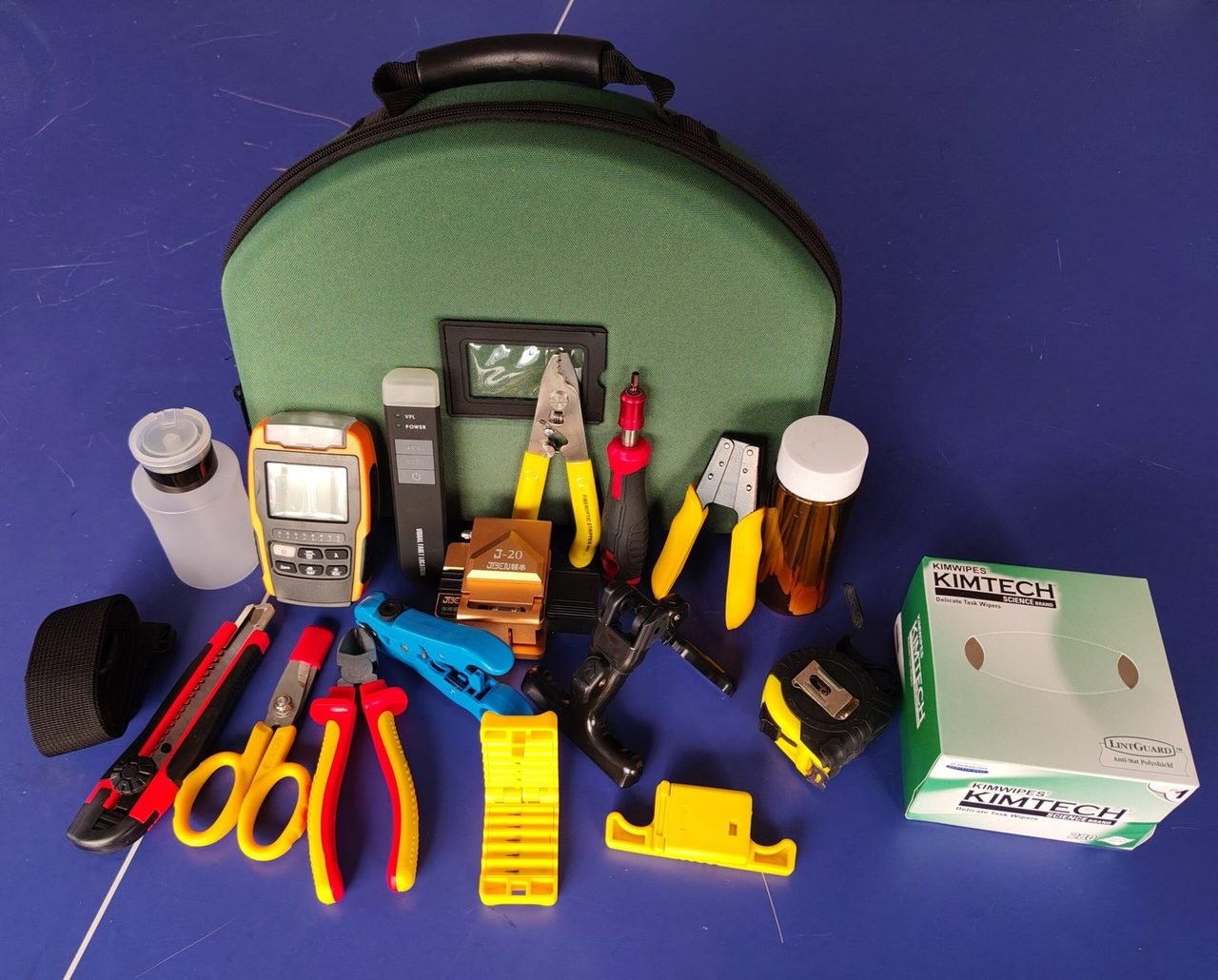
Why FTTH Contractors Standardize Their Tool Kits
Why FTTH contractors give every crew the same tool kit: consistent working methods, simpler spares, and quality that does not depend on who is on the job.
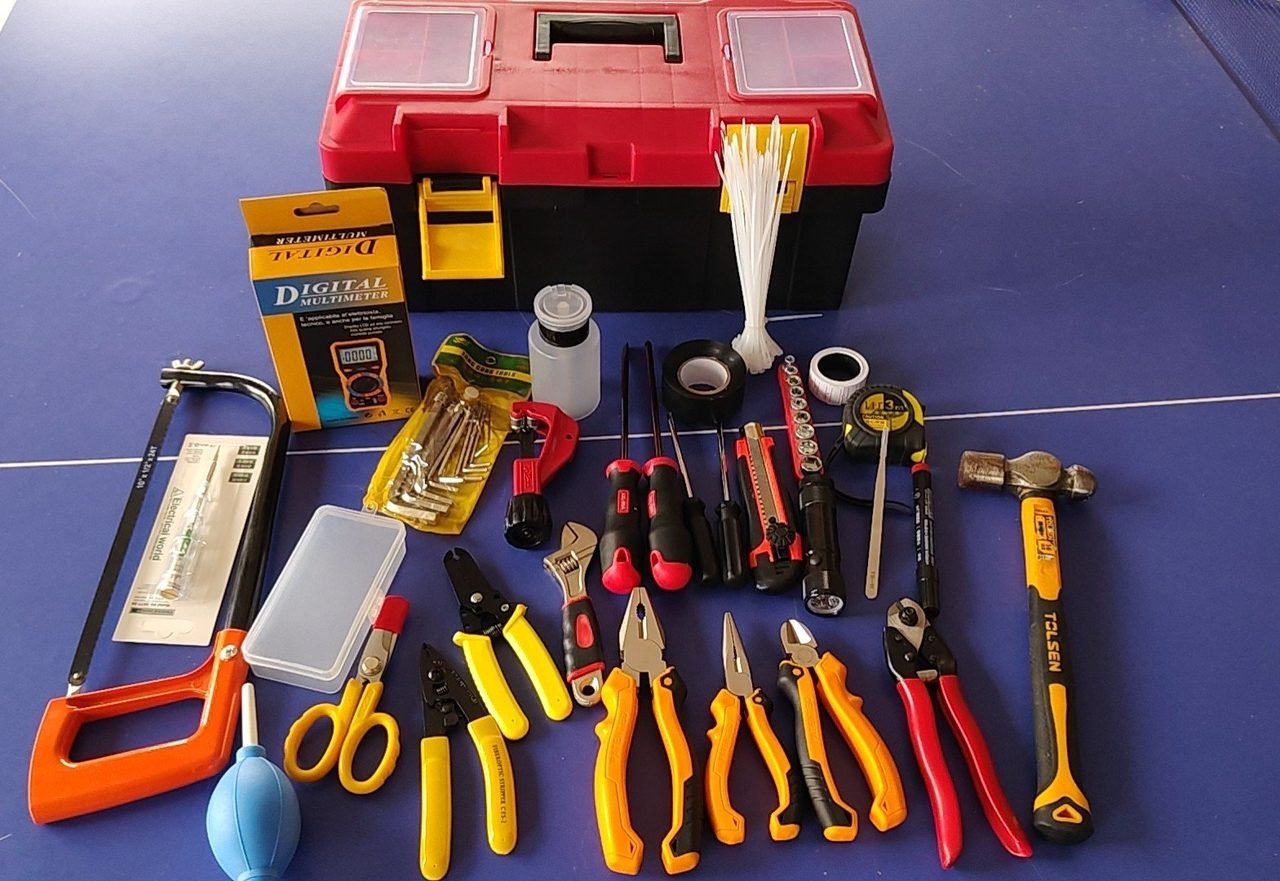
The General Hand Tools in a Fiber Installer's Toolbox
A fiber installer's toolbox holds two halves: fiber tools and general hand tools. What the multimeter, hammer, saw, wrenches, and pliers do on FTTH installation jobs.
FTTH Drop Installation Kit: Every Tool in the Bag, and What It Does
A walkthrough of a real FTTH drop installation kit: cleaver, strippers, VFL, power meter and cleaning gear — what each tool does on a last-mile job.
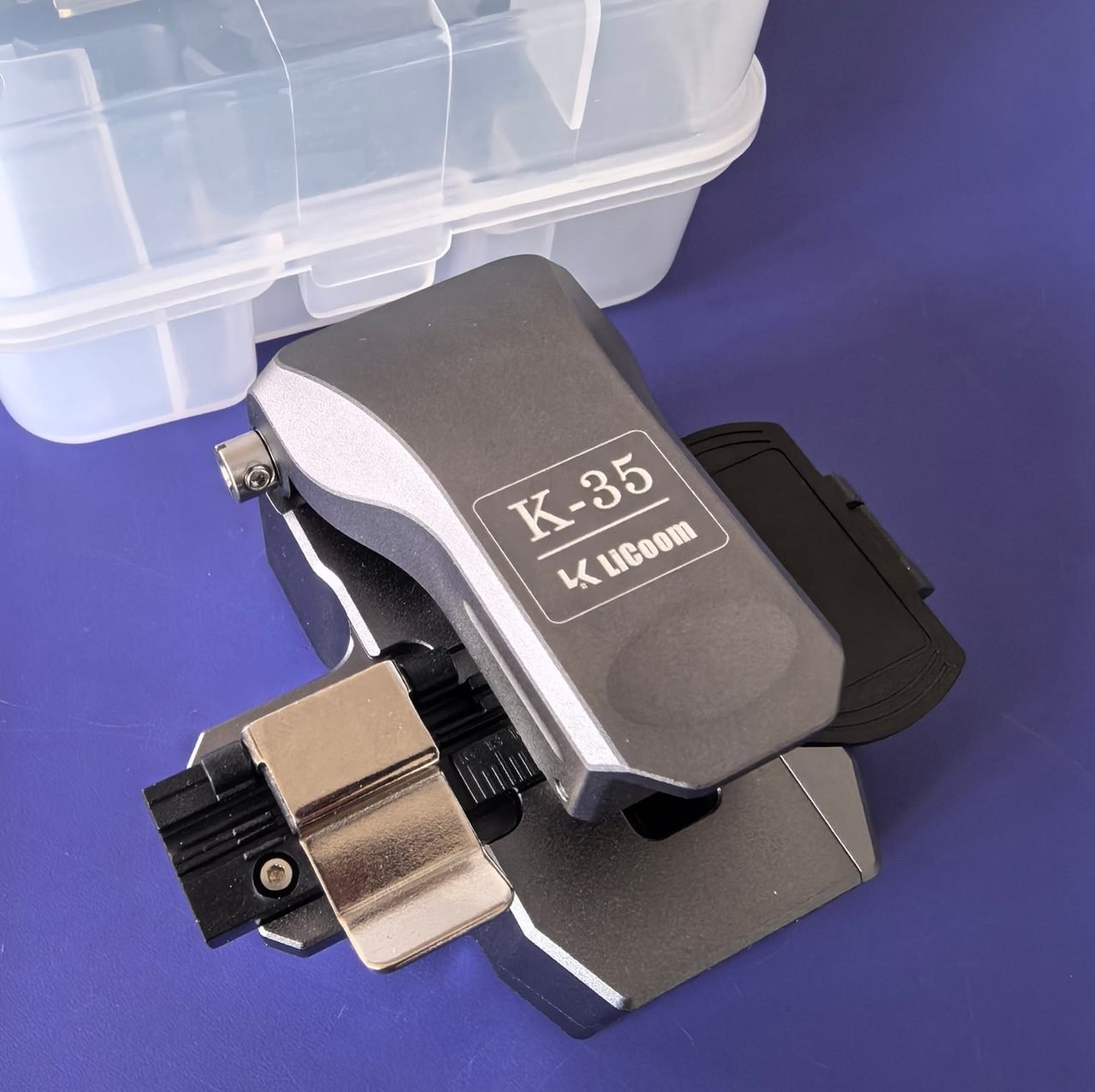
How to Replace a Fiber Cleaver Blade
A dull cleaver blade causes rough cleaves and failed splices. Learn the warning signs, the safe replacement steps, and how to make the next blade last longer.
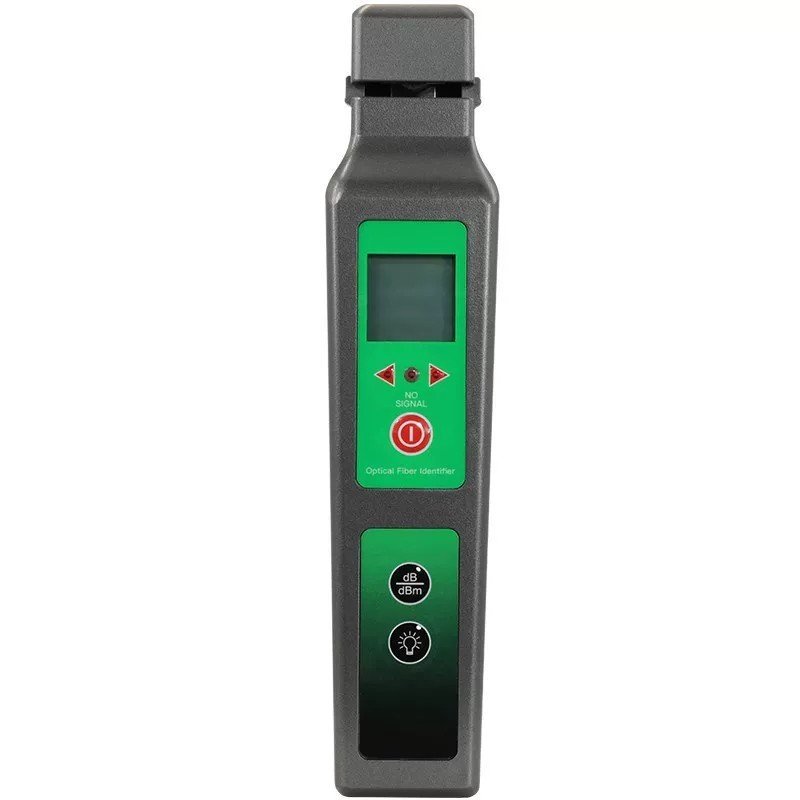
K-340 vs K-350 Optical Fiber Identifier: Which One Does Your Crew Need?
K-340 or K-350? Compare Licoom's two optical fiber identifiers — a light everyday model and a metal model with tone detection and power readings.
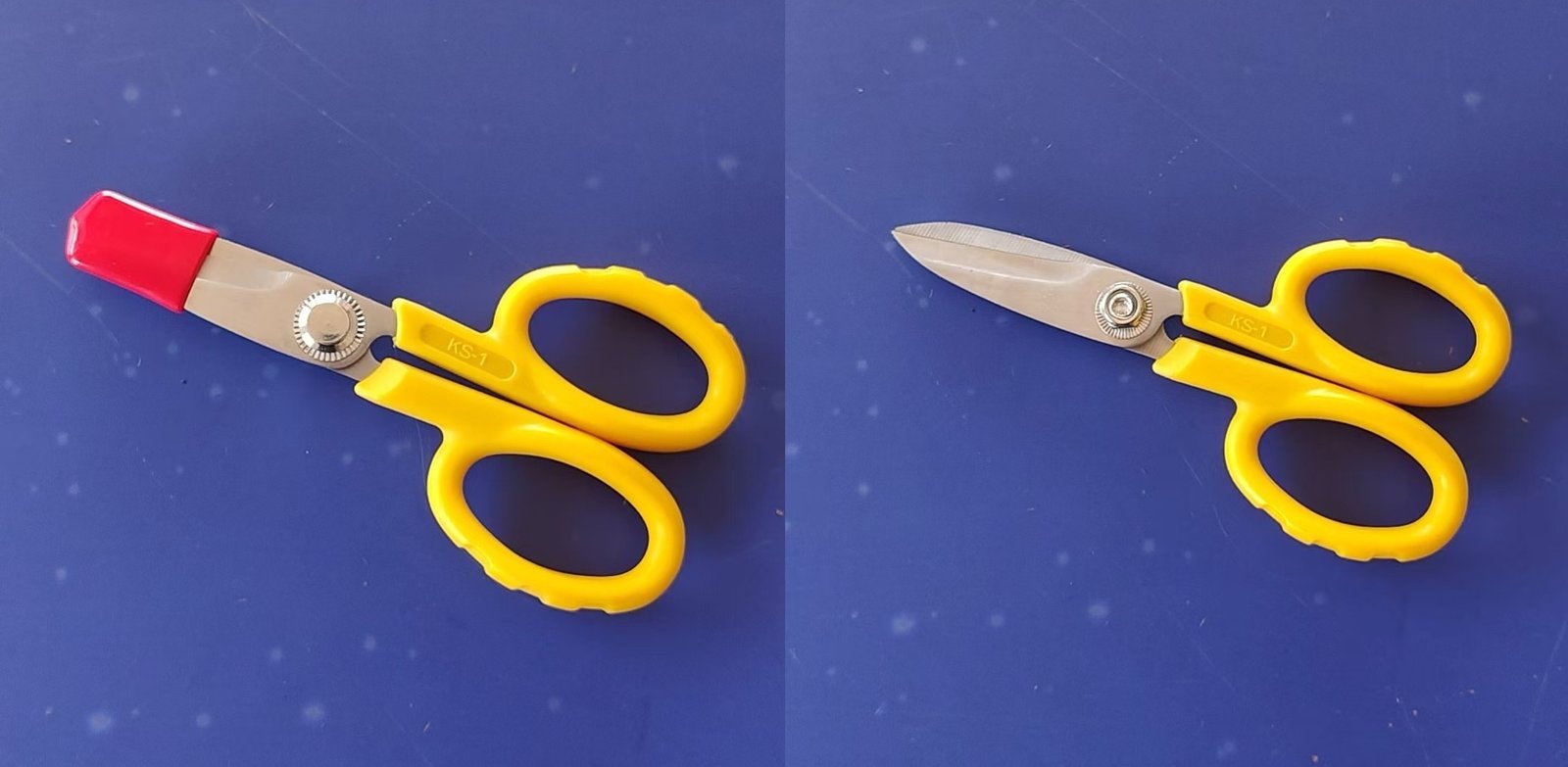
KS-1 Kevlar Shears: The Small Tool FTTH Crews Reach for Every Day
The KS-1 Kevlar shears cut Kevlar strength members cleanly, with ergonomic handles and long-life steel blades. In stock now for FTTH crews and distributors.
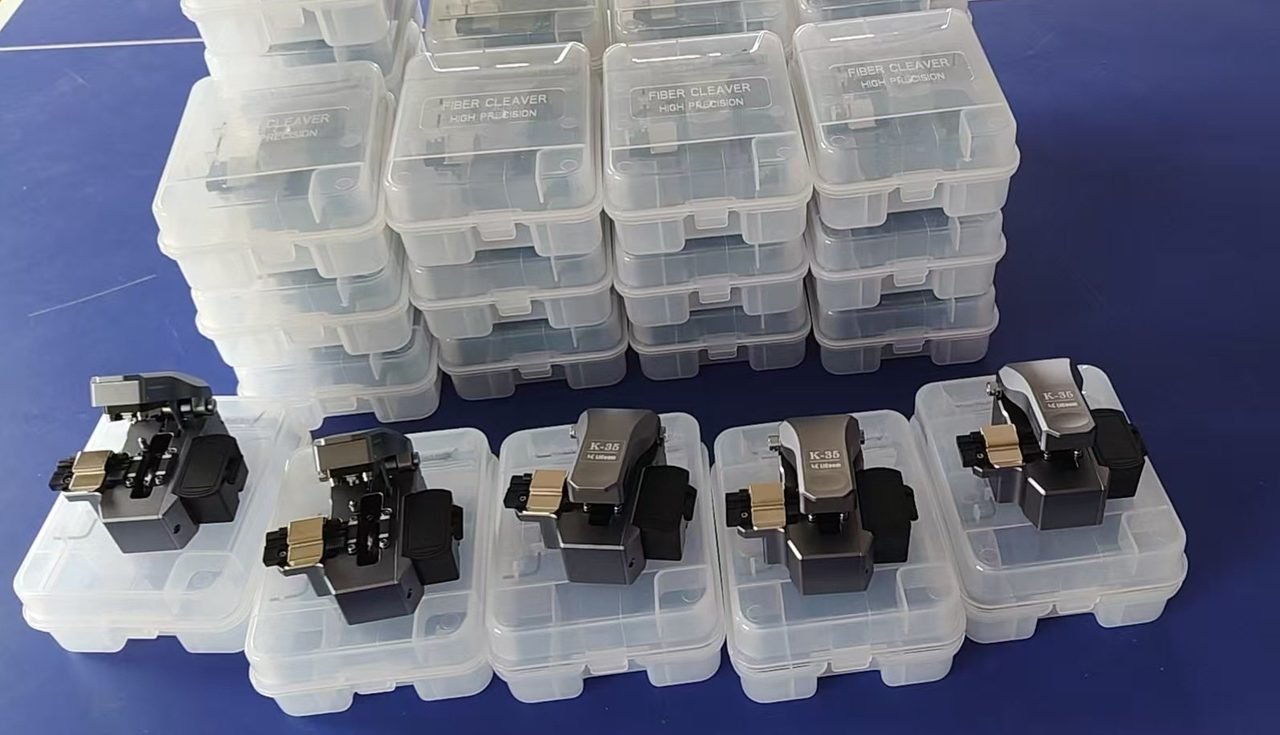
K-35 One-Step Fiber Cleaver: One Press, a Finished Cleave
The K-35 one-step fiber cleaver finishes a precision cleave in a single press: single and 1-12 ribbon fiber, cleave angle of 0.5 degrees or less, 48,000+ cleaves per blade.
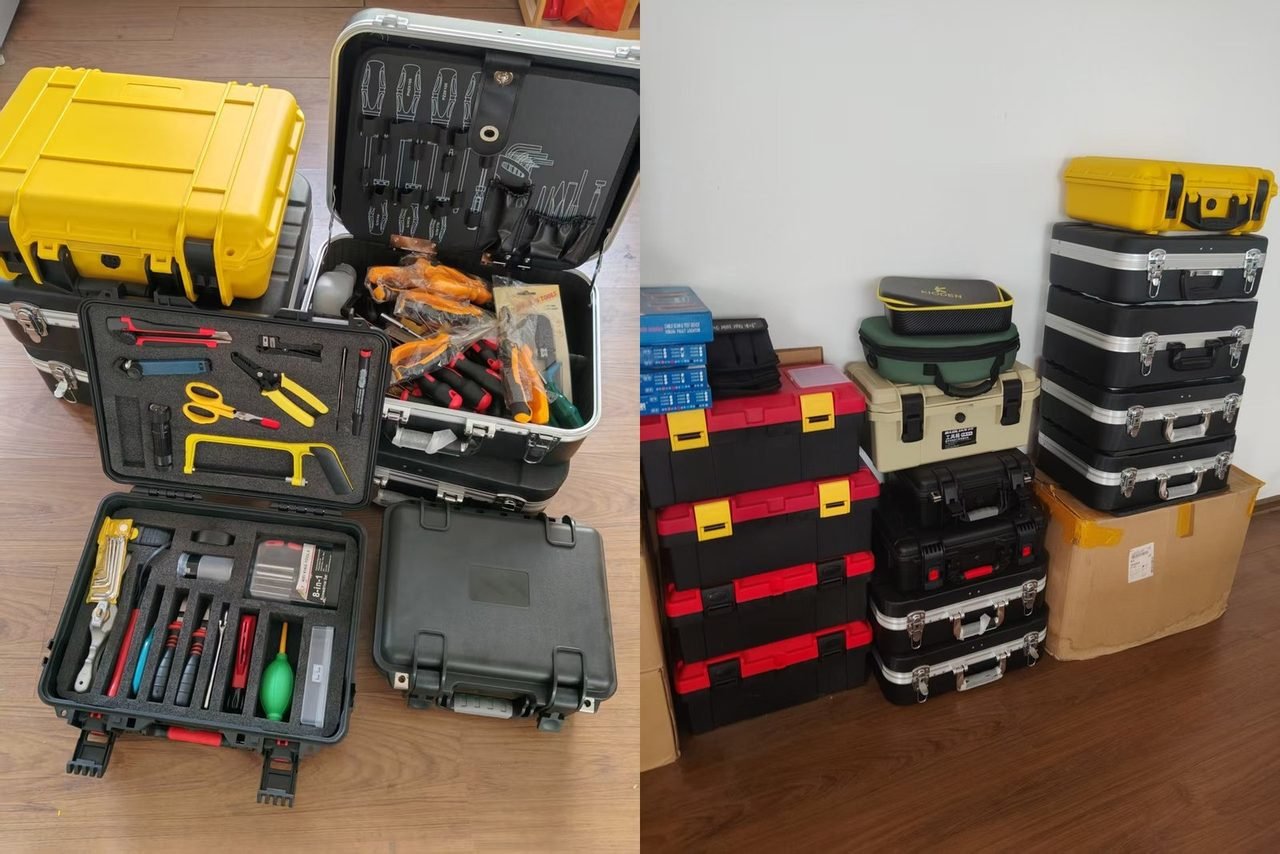
FTTH Tool Kit Checklist: What a Fiber Installation Crew Actually Needs
FTTH tool kit checklist by job stage: opening, stripping, cleaning, cleaving and testing tools every fiber installation crew needs, plus kit-buying FAQ.
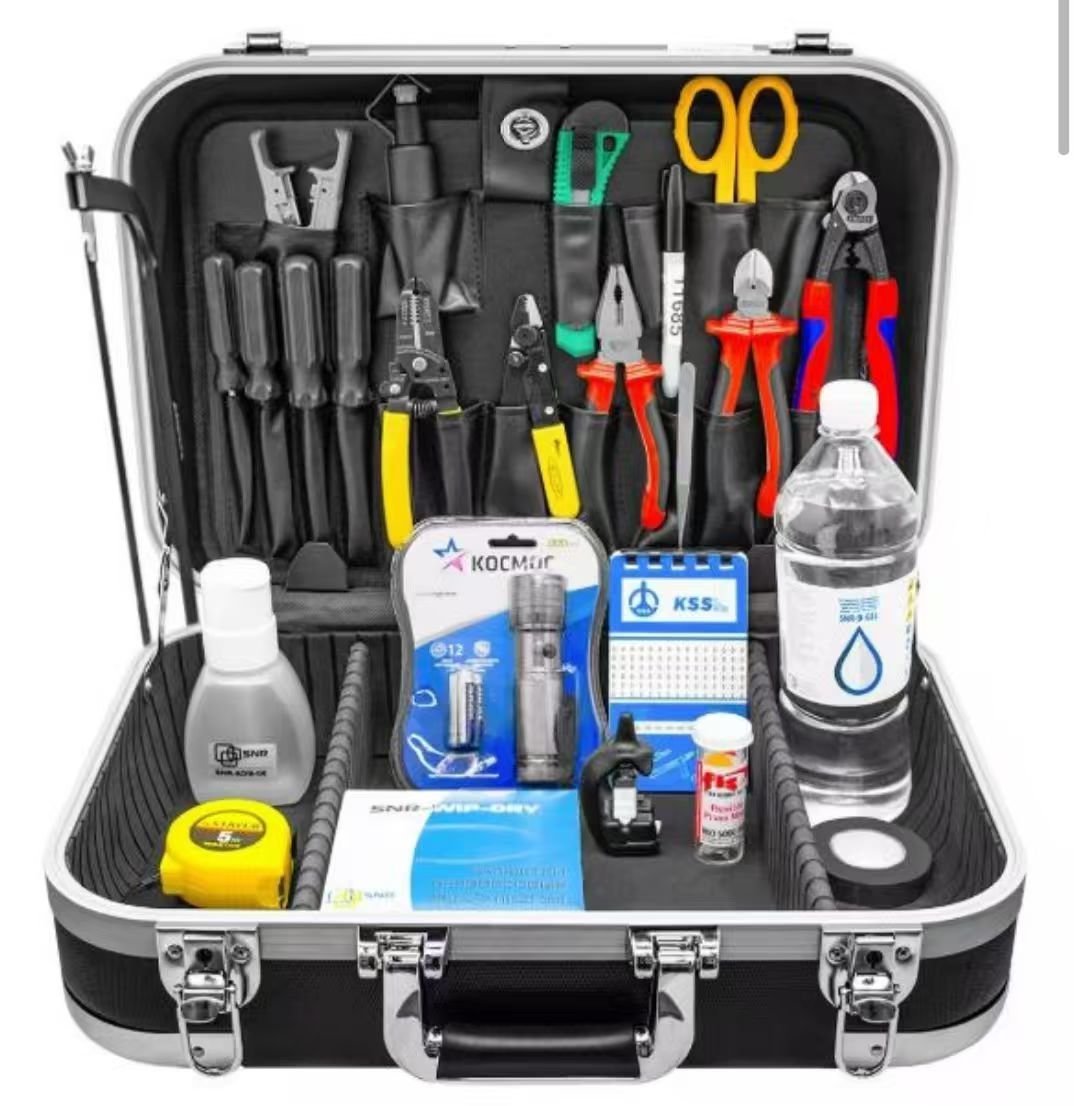
Fiber Splicing Tool Kit: Everything Packed in One Aluminum Case
A tour of a complete fiber splicing tool kit in its aluminum case: hand tools in the lid, cleaning supplies and consumables in the tray, and why the layout matters.
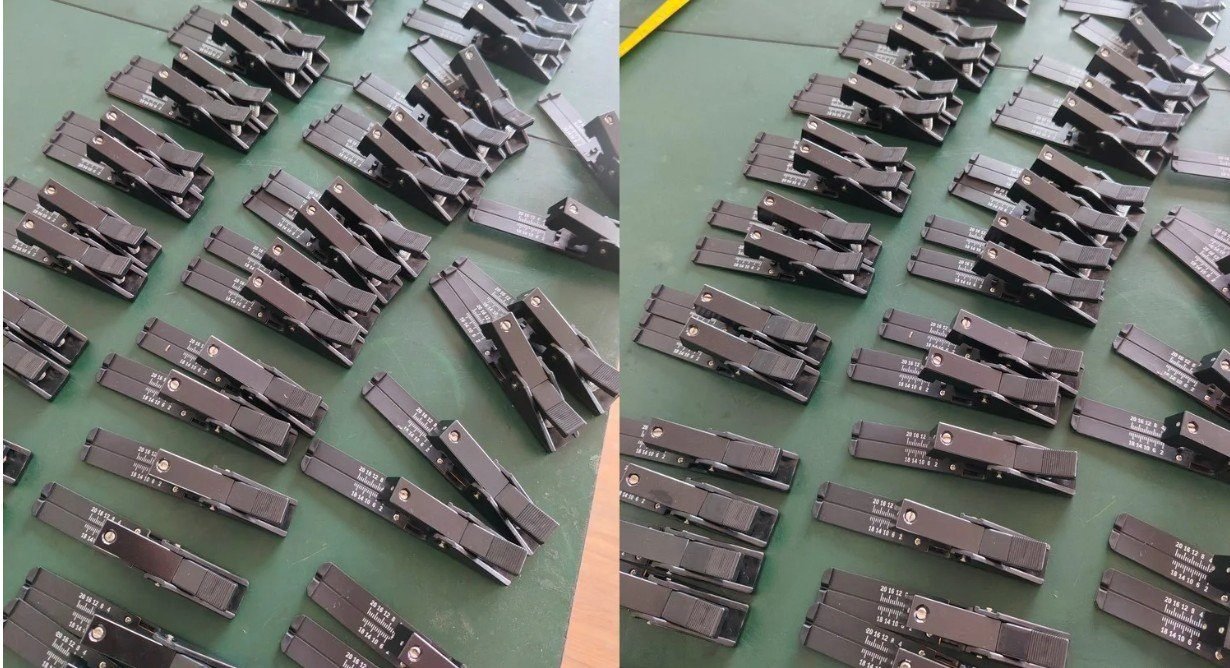
K-90 Field Cleaver vs K-35 One-Step Cleaver: Which One Does Your Crew Need?
K-90 field cleaver vs K-35 one-step cleaver compared: three-step vs one-press operation, cleave lengths, blade life, and which cleaver fits mechanical, field and fusion work.
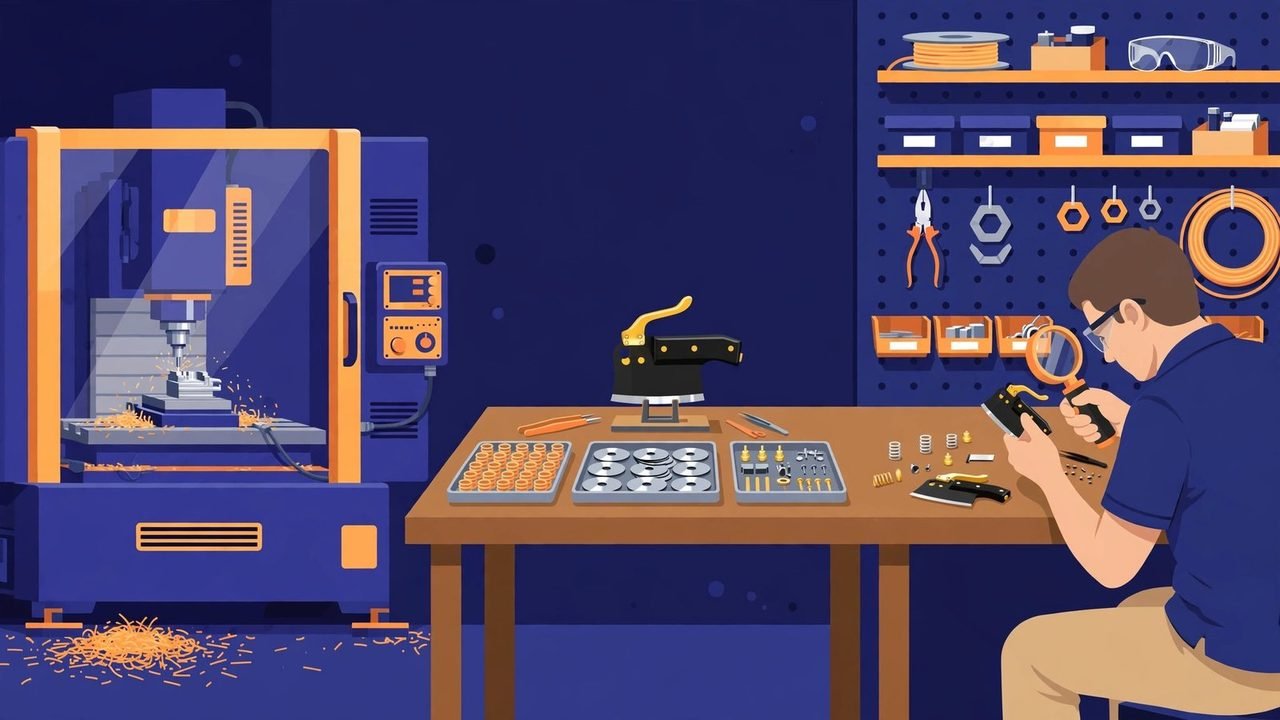
Inside the Cleaver Workshop: How Cleave Quality Is Made and Checked
Watch CNC machining, hand assembly and inspection inside the cleaver workshop, and learn how cleave angle and end-face quality are checked. K-35 rated ≤0.5°, 48,000+ cleaves per blade.
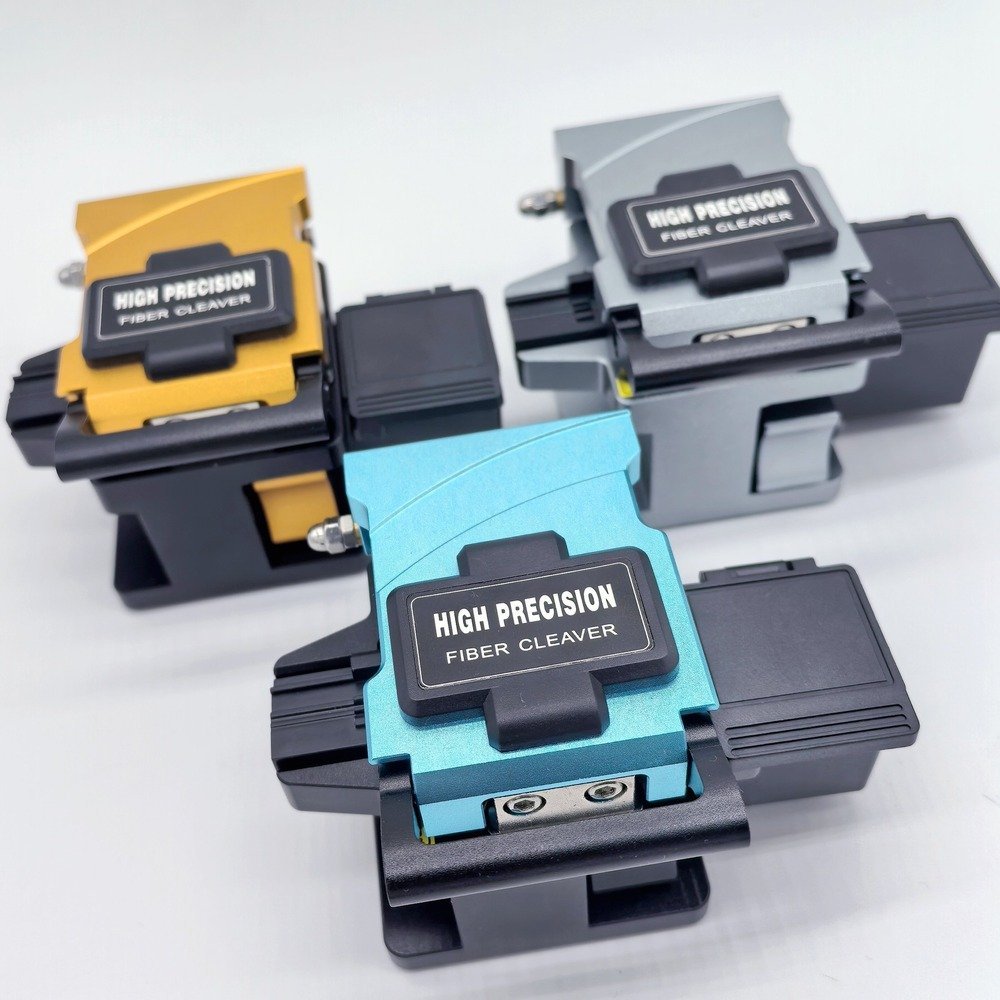
K-21 Fiber Cleaver: Precision Cuts in Three Colors
Meet the K-21 high-precision fiber cleaver: CNC-machined aluminum body, 48,000-cleave blade life, and three finishes (gold, silver, blue) for FTTH and splicing crews.
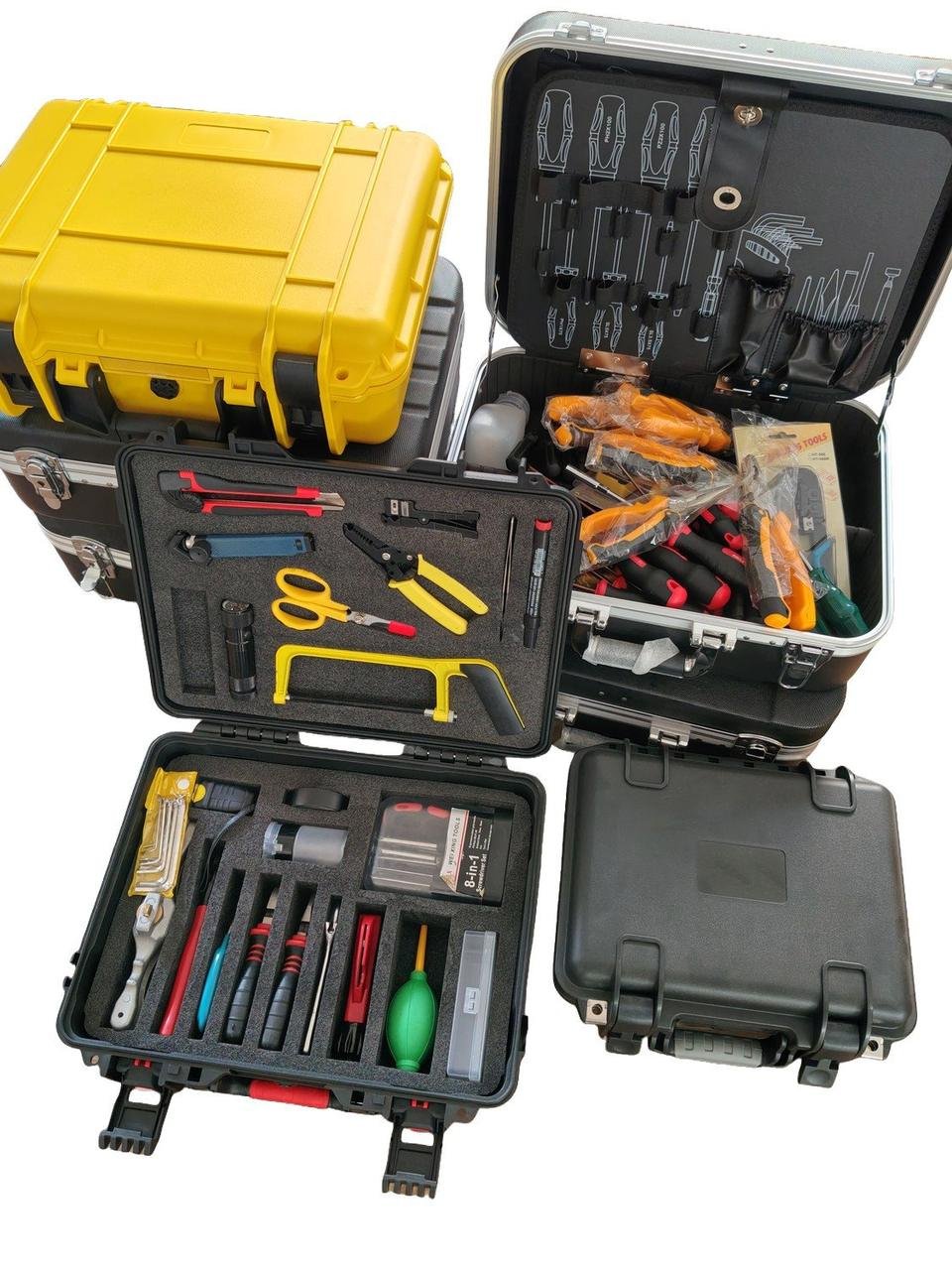
Inside a Fiber Optic Construction Tool Kit: What Field Crews Actually Carry
What is inside a fiber optic construction tool kit: hard cases with shaped foam inserts, cleavers, Kevlar shears, strippers, cleaning supplies and testers - assembled around the job your crew does.
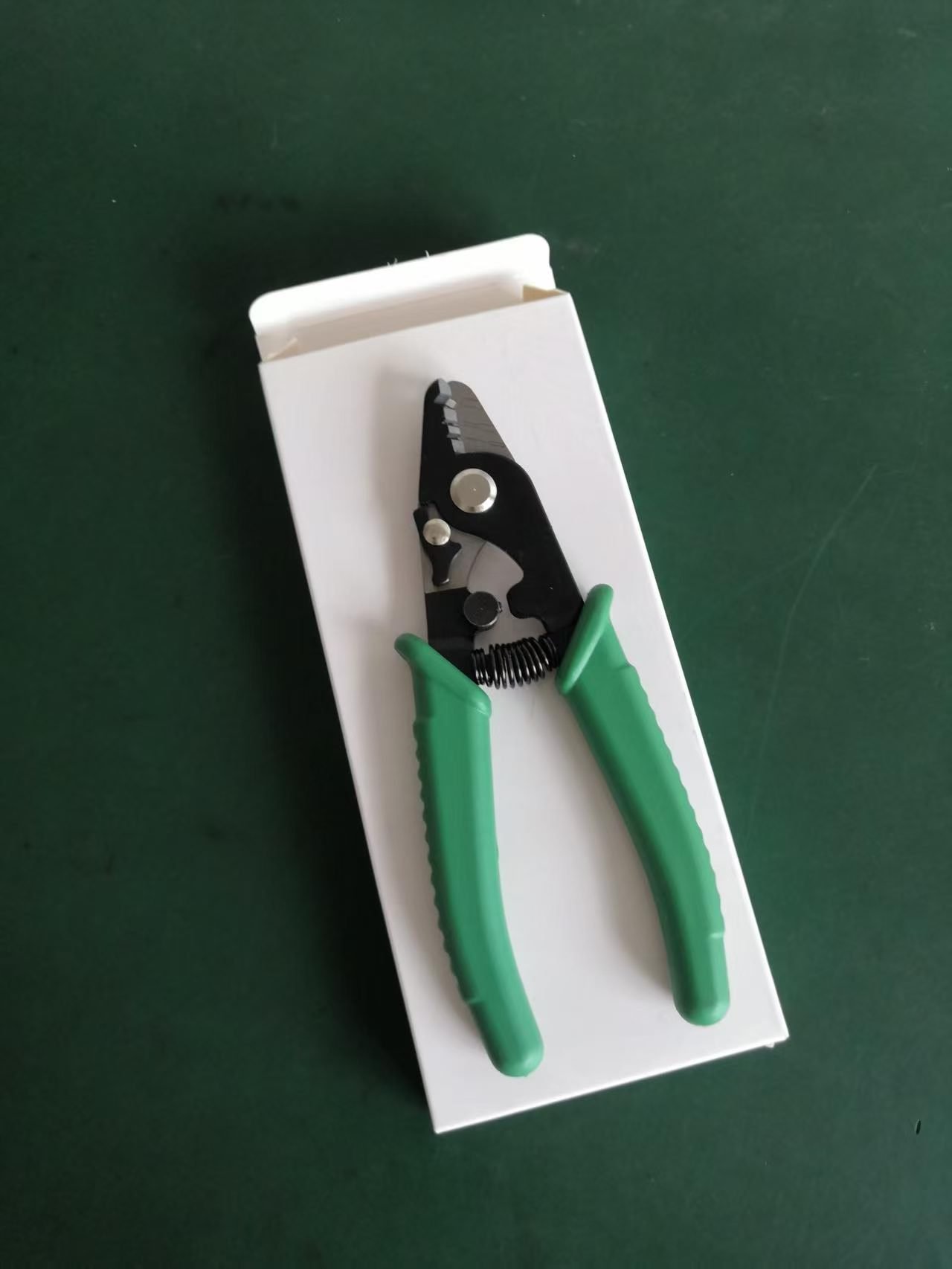
A Complete Guide to Fiber Optic Strippers: Types, Features, and Best Practices
Discover the key types and features of fiber optic strippers. Learn how to choose precision tools for optical cable assembly and splicing efficiency