A single-mode fiber core is about nine micrometers wide, and the tolerance for dirt sitting on a connector end face is effectively zero. One fingerprint or speck of dust, and the light that should pass straight through gets blocked, scattered, or reflected back. Worse, most field dirt is silica-based, closer to fine sand than to dust, so mating a dirty connector can scratch the polished end face and turn a cleaning problem into permanent loss and reflectance. Failed power readings and joints that will not come right are traced back to dirty end faces every day. The fix costs almost nothing: the right wipe, the right alcohol, and a short routine your crew repeats the same way every time.
Start With the Right Wipe and the Right Alcohol
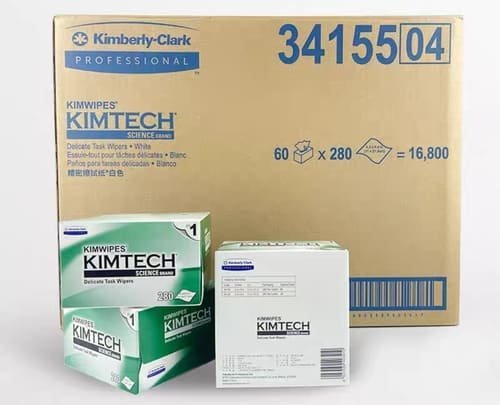
Not every soft cloth is safe on an end face. Cotton swabs and shop rags shed threads, and a thread left behind is contamination you added yourself — the Fiber Optic Association's cleaning guidance is blunt on this point: never use them. A proper cleaning wipe is lint-free, soft enough not to scratch the ferrule, and absorbent enough to lift oil and dust in a single pass. Format matters too: a pop-up box feeds out one clean sheet at a time and keeps the rest sealed against workshop and van dust. Our lint-free fiber cleaning wipes come in pop-up boxes of 280 sheets at 4.5 x 8.5 in — the standard delicate-task format — sized for benches, labs, and field kits.
The alcohol matters just as much. Use reagent-grade 99% isopropyl alcohol only. Lower grades are diluted and can leave a residue film that attracts fresh dirt. Keep the bottle capped, and never touch the end face with a fingertip — skin oil is one of the most common contaminants, and it pulls dust out of the air. Dust caps protect against knocks, not dirt: they pick up dust of their own, so a capped connector still gets inspected and cleaned before mating.
The Wet-to-Dry Routine, Step by Step
The sequence the industry teaches is inspect, clean, inspect — and the cleaning step itself works best wet-to-dry:
- Inspect first. Put the end face under an inspection scope before you touch it. Seeing what is on it — dust, oil, a scratch — tells you whether cleaning worked; end faces are graded against the IEC 61300-3-35 standard.
- Wet a small spot. Touch a fresh wipe with the tip of the alcohol bottle so one small area is damp, not soaked.
- Draw across wet, finish on dry. Pull the ferrule end across the damp spot and, in the same stroke, onto the dry part of the wipe, so the connector comes off completely dry — alcohol left to evaporate on its own can leave a film.
- One pass per clean patch. Move to a fresh area of the sheet — or a fresh sheet — for the next connector. Re-wiping with a used patch simply puts the dirt back.
- Inspect again, right before mating. If contamination remains, repeat with a fresh wipe. Clean just before connecting: an exposed end face starts collecting a new film of dust right away.
Bare fiber gets the same treatment, with a lighter hand, before the cleaver: moisten the wipe and draw the fiber through it once, in one direction — no back-and-forth scrubbing. A clean fiber also cleaves cleaner and splices with less trouble, as we covered in Cleave Quality and Splice Loss. Remember the other half of every connection, too: a clean plug in a dirty adapter is dirty again instantly, so clean both sides of every mating pair, test and reference cords included.
Habits That Keep End Faces Clean Between Jobs
Technique only pays off when it becomes habit. Clean before every mating and before every test — not just when a reading looks wrong. Test reference cords get cleaned before each test session, because a dirty reference quietly ruins every measurement taken with it. The detector port on your power meter deserves an occasional wipe too; it is an optical surface like any other, as we noted in how to use an optical power meter. Recap connectors the moment they are unplugged, keep the wipe box closed, and keep a box everywhere work happens — bench, van, and kit bag — so the routine never gets skipped for want of supplies. Of everything in a splicing kit, wipes are the cheapest line on the list and the one that protects all the expensive ones.
We stock lint-free cleaning wipes in 280-sheet pop-up boxes for benches, labs, and field crews. Send us the model numbers and quantities you need through the quote form on any product page, or write to silvia@licoom.com, and we will reply with EXW factory pricing and lead time.