A fusion splicer earns its keep one joint at a time, and every good joint depends on two things that wear out: a blade sharp enough to cut the fiber clean, and electrodes steady enough to fuse it. The splicer itself may last for years, but these two wear items decide whether each splice comes out low-loss on the first try or needs a second attempt. Around them sits a small shelf of everyday consumables — cleaning supplies, protection sleeves, and the spares that keep a crew working instead of waiting. Stocking that shelf is not housekeeping. It is what keeps a splicing crew earning.
Cleaver Blades: A Fresh Edge Restores the Cut
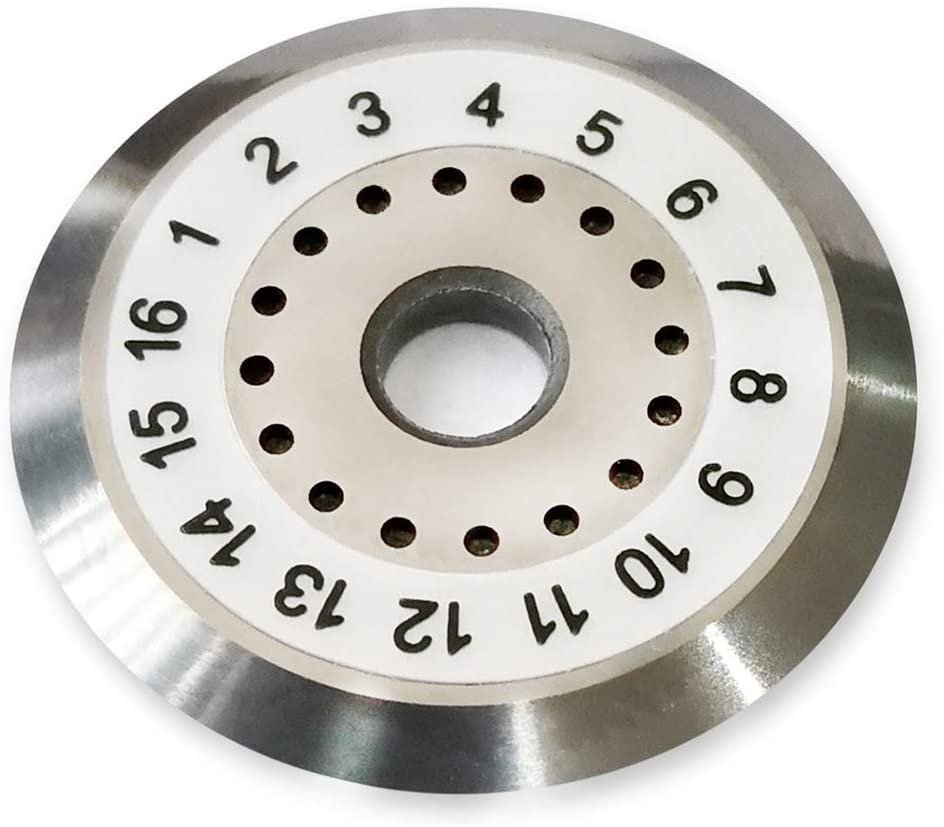
Every cleaver blade has a working life. As the cut count climbs, cleave angles start to drift, and the splicer's loss estimate creeps up with them. That drift is often the first sign the blade, not the splicer, needs attention. A replacement circular blade restores the cleaver to specification at a fraction of the cost of a new tool — which is why experienced crews treat blades as a consumable to plan for, not a fault to react to.
The numbered cutting positions on a replacement blade are there to make that planning simple. Each position is a fresh cutting edge, and technicians track usage so they can rotate to the next position before quality slips, exactly as with the original blade. Rotating on a schedule — rather than waiting for bad cleaves to force the change — keeps the cleave consistent from the first splice of the day to the last. Our guide to how to replace a fiber cleaver blade walks through the swap, and our article on cleave quality and splice loss explains why that clean edge matters so much to the joint that follows.
For a distributor or a workshop, blades are also the easiest spare to get wrong by under-ordering. A spare blade with every splicer, plus one for the shelf, removes one of the most common reasons a job stalls.
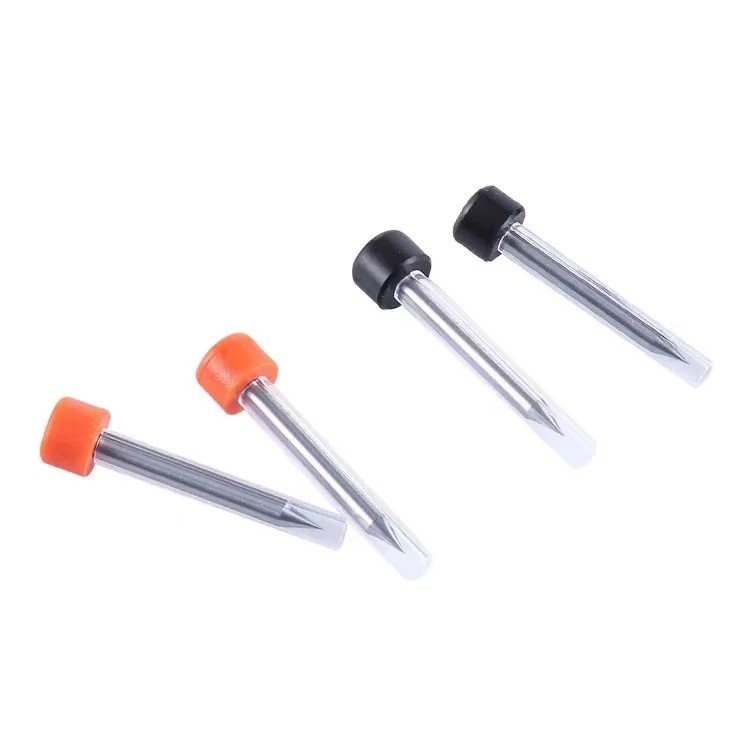
Electrodes: The Arc Behind Every Splice
If the blade prepares the fiber, the electrodes make the joint. A pair of electrodes strikes the electric arc that melts the two fiber ends together, and the stability of that arc decides the quality of the splice. Replacement electrodes for fusion splicers, supplied in pairs, are a standard consumable for every splicing crew and service workshop — not an occasional repair part.
Worn electrodes tell on themselves. The arc becomes unstable, splice loss rises, and the splicer may start asking for repeated arc calibrations. The decline is gradual, so a replacement schedule is worth more than waiting for a failure. When the splicer's own discharge count or loss trend says it is time, changing the pair and running the splicer's arc calibration routine restores the stable arc the machine was designed around.
The practical rule is the same as for blades: replace on the splicer's schedule, not on a breakdown. Crews running the SD-6A or the SD-9 on steady field work should carry a spare pair of electrodes with the machine, so a worn set never costs a day's splicing while a replacement is shipped. Electrodes are small enough to live in the splicer case, and that is exactly where they belong.
The Rest of the Shelf: Cleaning, Protection, and Spares
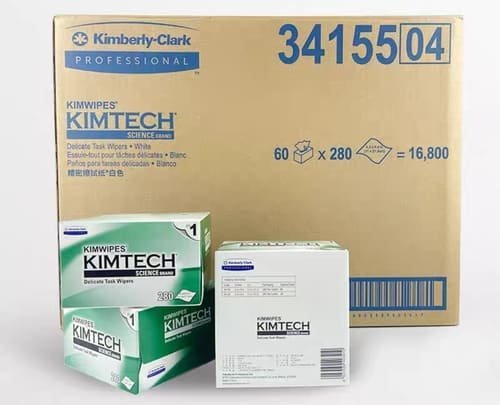
Beyond blades and electrodes, the consumables that keep a splicer earning are the ones used on every single joint. Fibers must be clean before they are spliced — our wet-to-dry wipe routine covers the habit, and lint-free cleaning wipes are the everyday stock that makes it possible. Protection sleeves then guard each finished joint in its tray or closure, so a good splice stays good after the crew has packed up and left.
A sensible spares list for a splicing crew is therefore short: spare cleaver blades, a spare pair of electrodes, cleaning wipes, and protection sleeves — ordered alongside the splicer, not after the first shortage. When ordering spares, send the model numbers and quantities you need, and confirm compatibility with your splicer and cleaver models before the order ships. That one check avoids the most common spares mistake: a blade or electrode set that fits a different machine from the one on the truck.
Want to stock blades, electrodes, and splicing consumables for your crews, or pair them with a splicer in a single order? Send us your list through the quote form or write to silvia@licoom.com for EXW factory pricing on request.