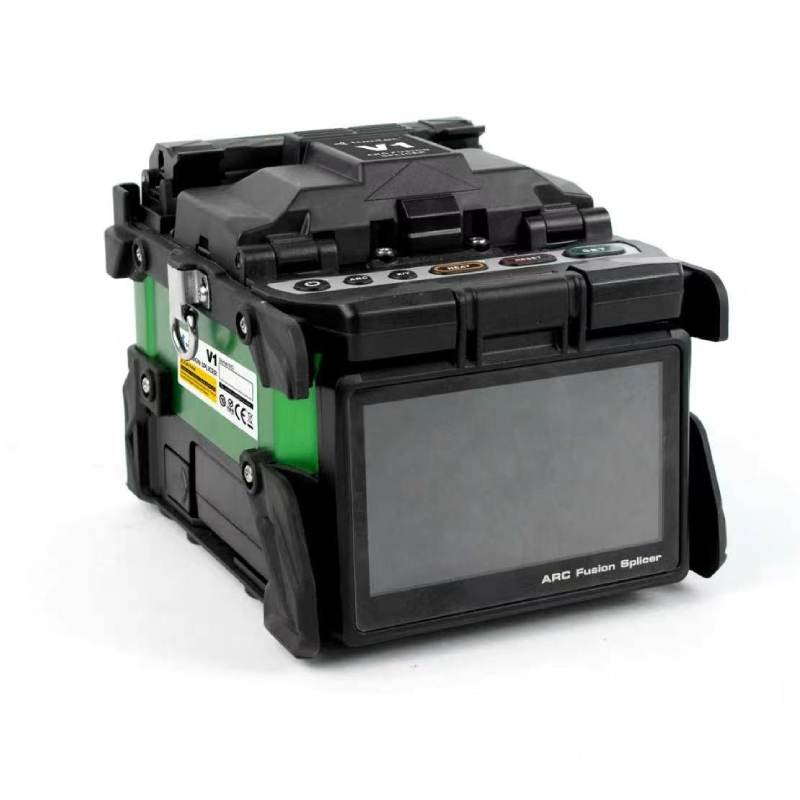
K-V1 Fusion Splicer: Core Alignment Built for Trunk-Line Work
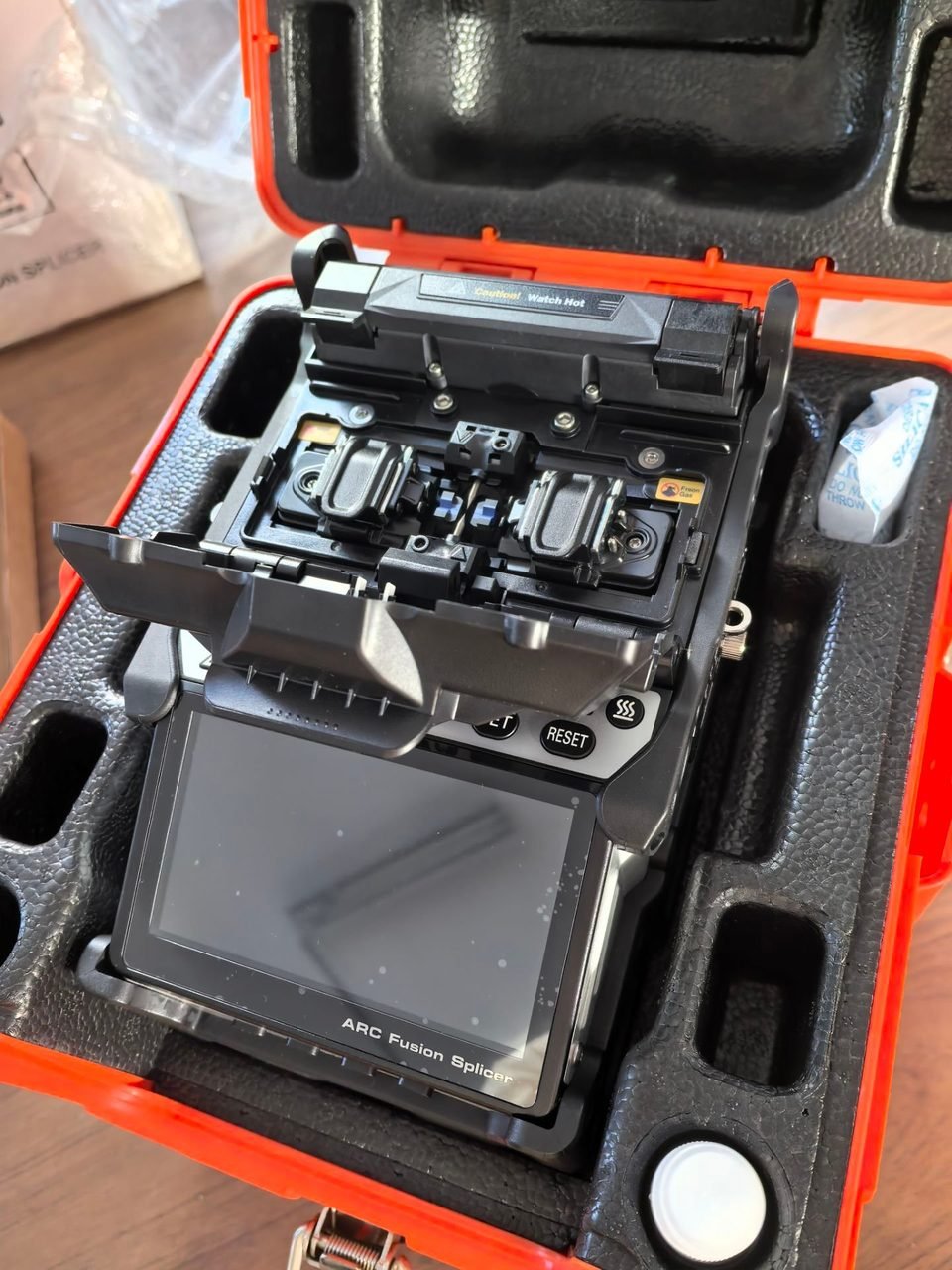
The K-V1 core-alignment fusion splicer is built for trunk-line work: 6–10 second splicing, 0.02 dB typical single-mode loss, an arc that calibrates itself, and more than 250 splice-and-heat cycles per charge.
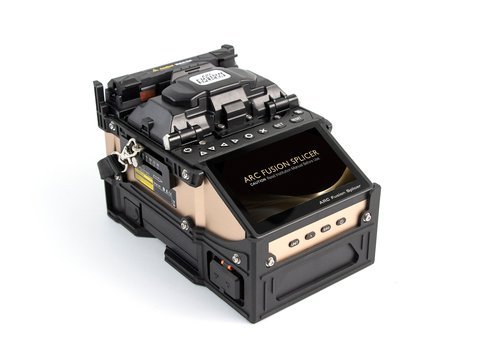
Mechanical Splice or Fusion Splice: Choosing the Right Joint for the Job
Fusion splicing fuses glass into one joint; mechanical splicing holds aligned fibers in a fixture. How to choose by permanence, performance, and job size.
Splice Loss Troubleshooting: What to Check When the Splicer Estimate Looks High
A high splice loss estimate usually traces to the cleave, dirty V-grooves, or worn electrodes. Work through these checks in order before remaking the joint.
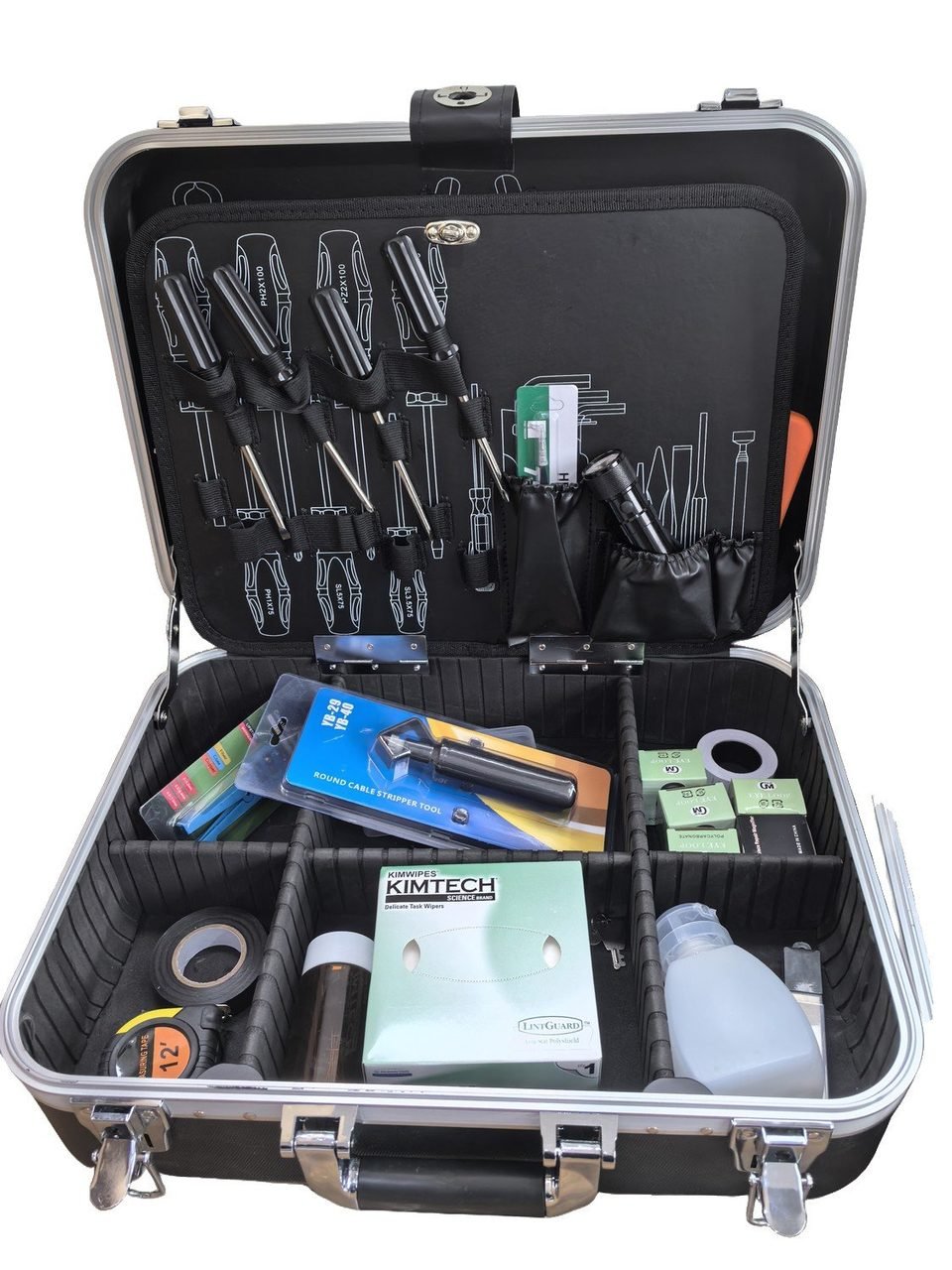
Setting Up a Splicing Van: A Practical Checklist
A practical checklist for setting up a fiber splicing van: build the layout around the splicing station, plan power and light, and never run out of consumables.
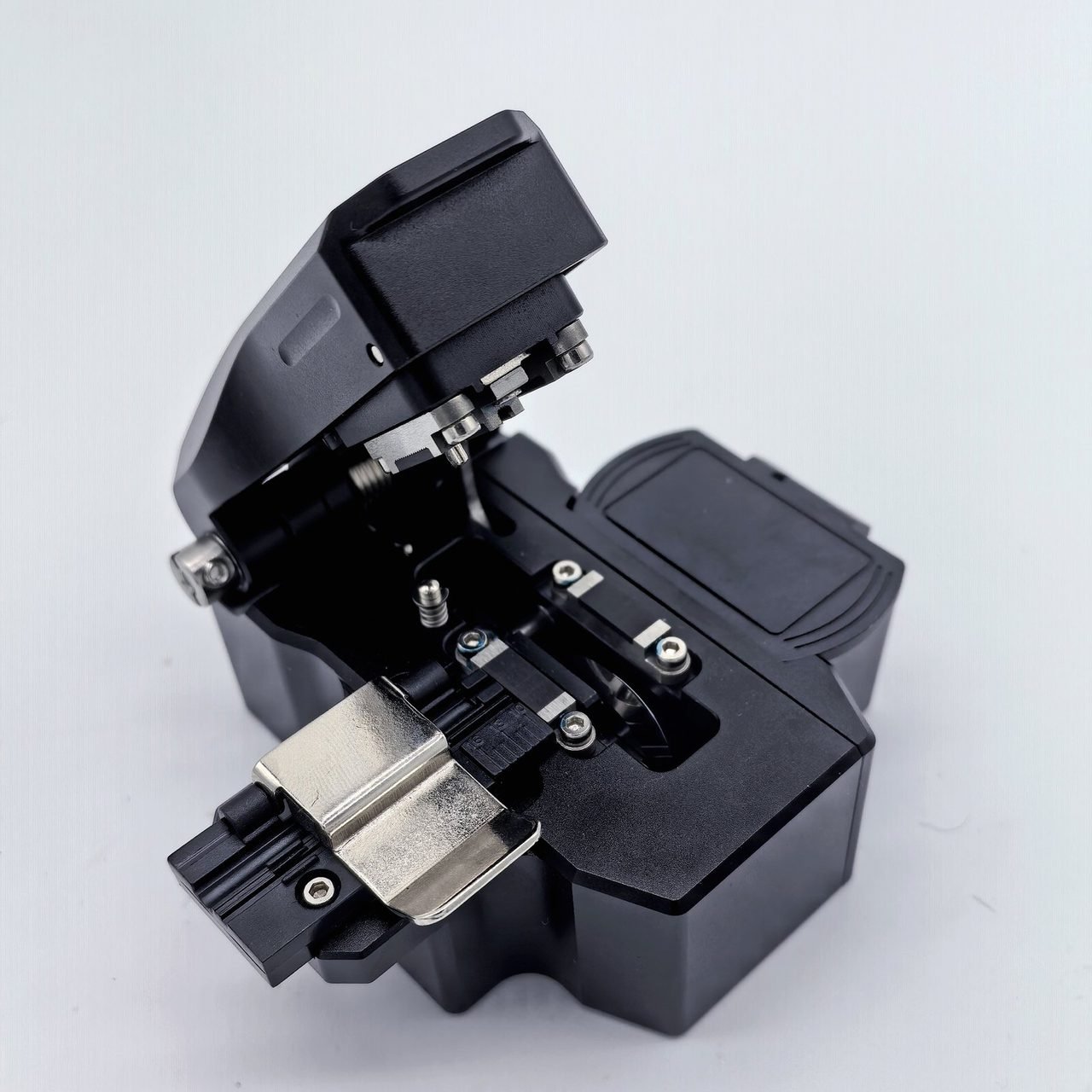
Cleave Quality and Splice Loss: Why a Clean Cut Makes a Better Joint
Why cleave quality drives splice loss: what makes a clean, flat fiber end face, how a poor cleave weakens a joint, and how crews keep cuts consistent on site.
Best Fusion Splicer for FTTH Installation: Selection Guide
How to choose a fusion splicer for FTTH installation in 2026: core alignment, cleaver pairing and what contractors should check before buying.