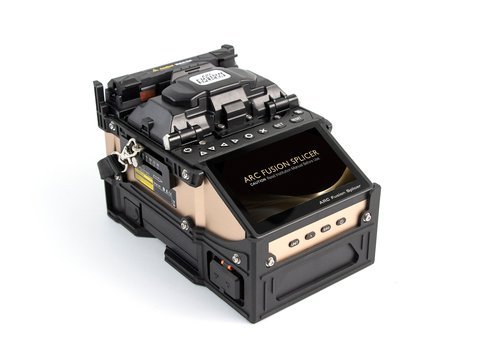
After the arc fires, the splicer shows an estimated splice loss. When that estimate comes back higher than you expected, it is tempting to fire the arc again and hope for a better result. Resist that urge for a moment. The estimate is the splicer's own judgement, made from the images it took of the two fiber ends. It is a useful warning, not a final verdict on the joint. A high estimate usually points to one of a few familiar causes, and they can be checked in order, from the most common to the least.
Start With the Cleave: It Is the Usual Suspect
Most high-loss splices start before the fibers ever reach the splicer. If an end face is angled, chipped, or has a lip or hackle at the edge, the two cores cannot meet cleanly, and no amount of alignment will fix that. Look at the end-face image on the splicer screen before you fuse: both ends should look flat and square, with no visible defect at the edge. If either end looks suspect, re-cleave. Do not fuse and hope.
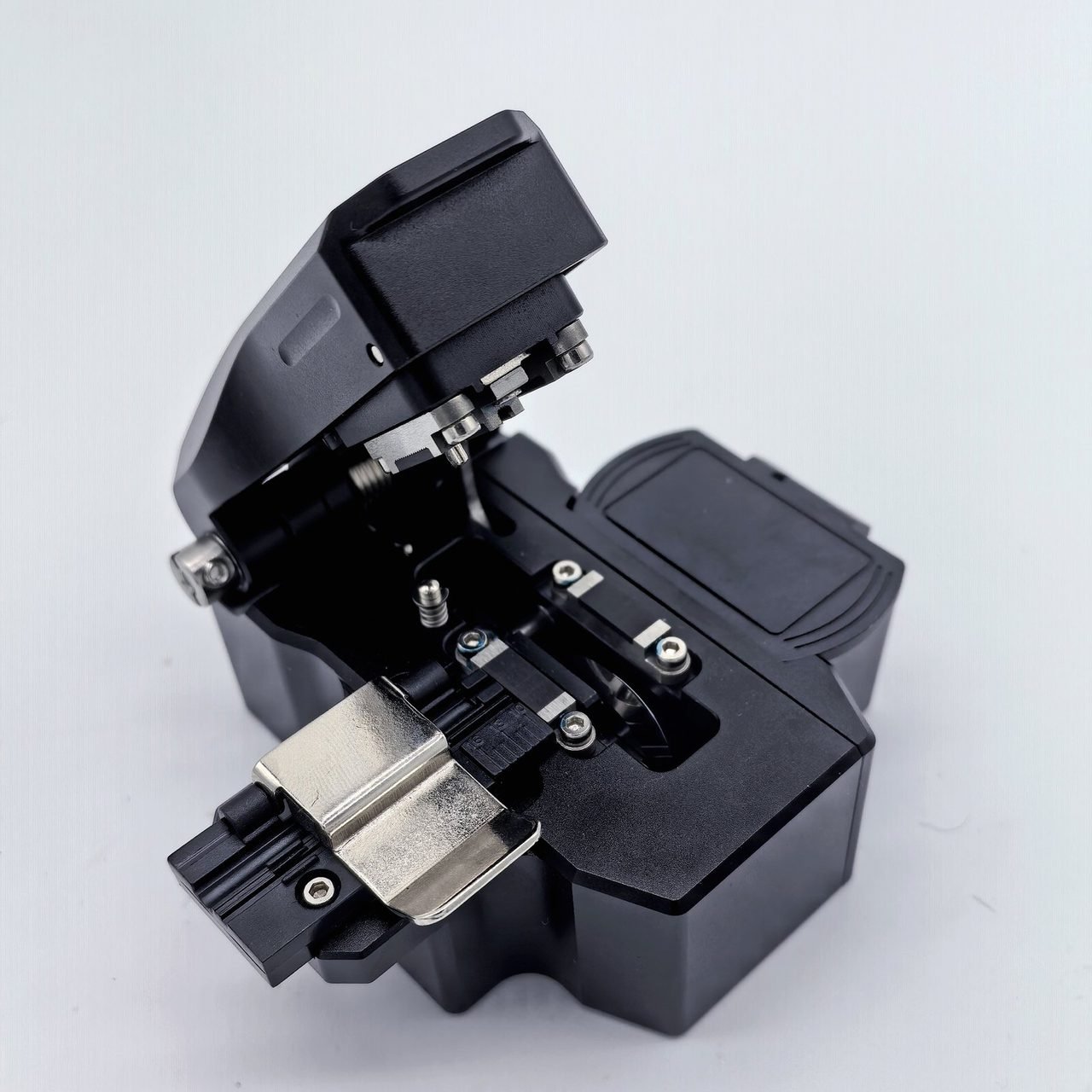
If bad cleaves keep repeating, look at the cleaver, not the splicer. A blade that has cut many fibers dulls gradually, and the first sign is often a run of slightly worse cleaves rather than an obvious failure. Rotating the blade to a fresh position, as described in our guide to replacing a fiber cleaver blade, is a short job that restores cut quality. Also check that the fiber is seated properly in the holder and that the coating was stripped cleanly. Residue left on the bare fiber can drag across the blade and spoil the next cleave. We covered why the cut matters so much in our article on cleave quality and splice loss.
Check the Splicer Itself: Grooves, Electrodes, and Arc
If fresh cleaves still give a high estimate, turn to the splicer. The V-grooves that hold the fibers must be clean. Dust or coating debris in a groove lifts one fiber slightly out of position, and the alignment system then aligns two fibers that are not sitting where it thinks they are. A quick clean of the grooves and the fiber holders often settles a run of inconsistent readings.
Next, consider the electrodes. They wear with use, and worn or contaminated electrodes produce an uneven arc, which can leave bubbles or an incompletely fused joint. Both show up as higher loss. If your splicer offers an arc calibration routine, run it: it adjusts the arc to current field conditions. If calibration does not stabilize the arc, the electrodes themselves are the next thing to check. They are a consumable, supplied in pairs, and replacing them is routine maintenance, not a repair. See our guide to fusion splicer spare parts, and the fusion splicer electrodes and cleaver blades we stock.
Also confirm the obvious: that both fibers are the same type, and that each is seated fully in its holder. A fiber that is not clamped straight can look aligned on screen and still fuse off-center. Core alignment splicers such as the SD-9 and the SD-6A can only align the fibers they are actually holding.
Confirm the Reading Before You Accept or Redo the Joint
Once you have fixed the likely cause, re-splice with freshly cleaved ends. Do not simply re-fire the arc on the same joint. Repeated fusion on the same ends degrades the glass and rarely improves the result.
Then confirm the joint with an independent check. The splicer's estimate is based on its own images; an OTDR trace or a power meter reading measures the light actually passing through the joint. If the independent measurement looks acceptable while the estimate stays high, trust the measurement and note the discrepancy: some fiber combinations simply read pessimistically on the estimator. If both agree the loss is high, the joint should be remade, not protected and buried. Our guides to reading an OTDR trace and using an optical power meter cover both checks.
Finally, protect a good joint properly. A splice that tests clean on the bench can still fail in the tray if the sleeve is off-center or the fiber is bent tightly when the tray closes. Keep the bend gentle, center the sleeve in the heater, and let the joint cool before it goes into the tray. Keep a short note of any pattern: high readings that always follow the same cleaver, fiber batch, or site conditions point straight at the real cause.
If your crew is seeing repeated high readings and wants a splicer, cleaver, or consumables setup matched to its workload, talk to us. Use the quote form on this site or write to silvia@licoom.com. EXW factory pricing on request.