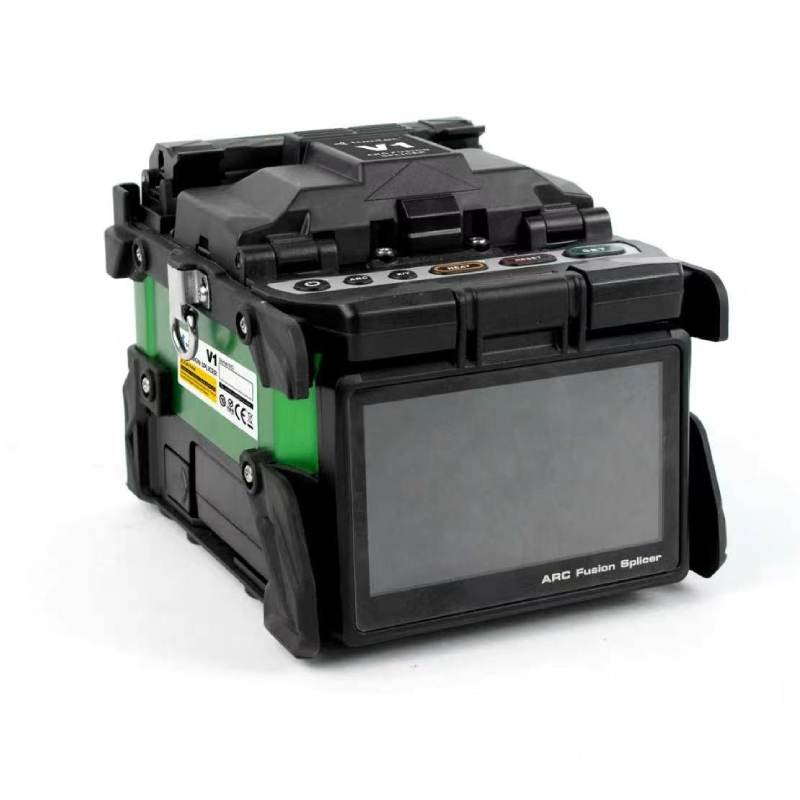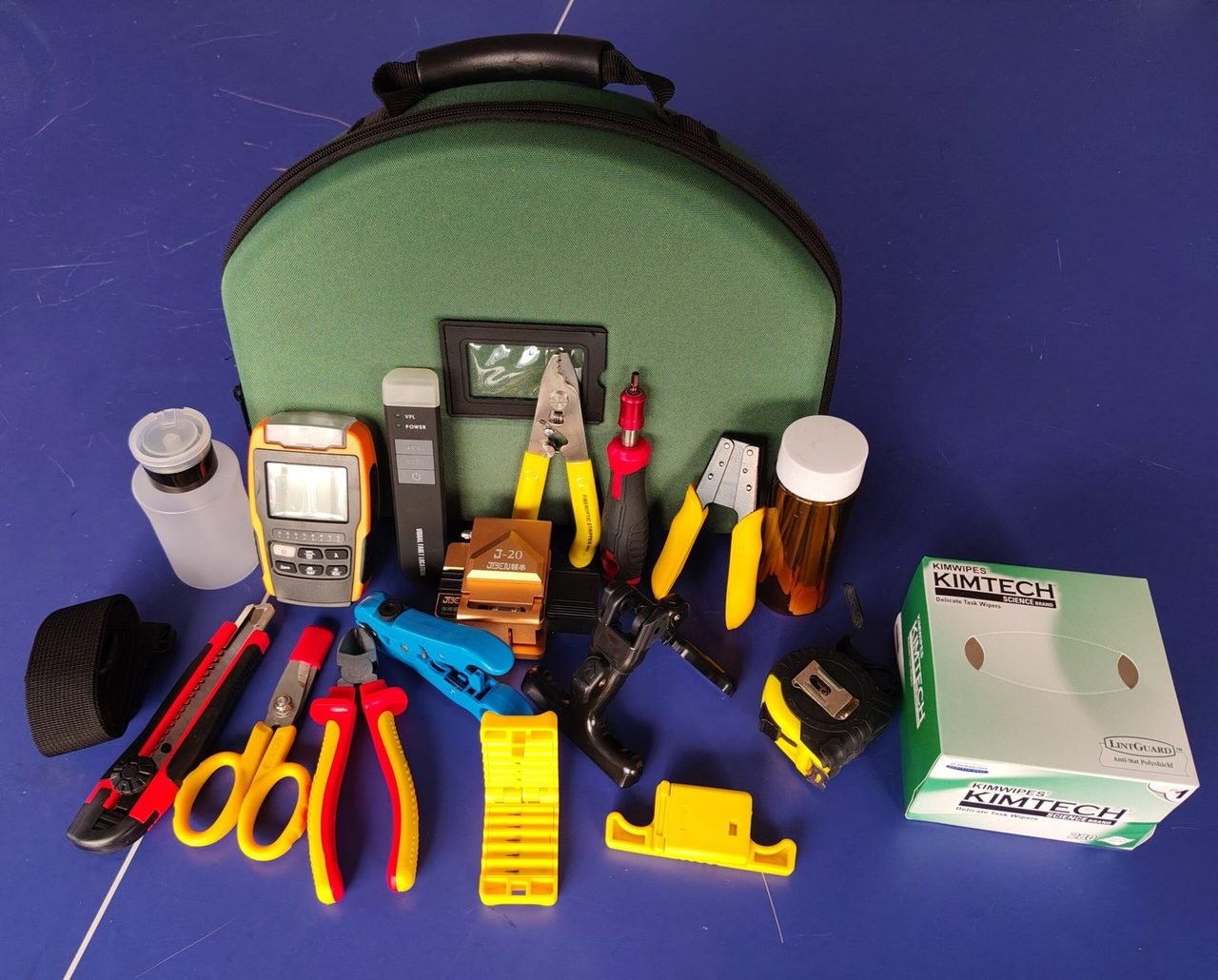
Ask ten FTTH contractors what is in their vans and you will get ten different answers — unless they have made a deliberate decision to standardize. The contractors that grow past a couple of crews usually reach the same conclusion: every crew should carry the same kit, set up the same way. It is not about buying the fanciest tools. It is about removing the small differences that cause delays, mistakes, and rework when the work moves fast.
Everyone Works the Same Way
A standard kit is really a standard way of working. When every technician strips, cleans, cleaves, and tests with the same tools in the same order, a supervisor can step onto any job and know exactly what the crew has and what it is missing. A new hire can be trained once and be useful on any crew, not just the one whose van they learned in. And when a technician moves to another team to cover an absence, there is no first morning lost to figuring out somebody else's setup.
That consistency matters most on the jobs that look routine. Drop installations, for example, repeat the same sequence dozens of times a day. If one crew's stripper handles the drop cable differently from another's, or one crew tests with a different meter, the results stop being comparable — and fault-finding gets harder when something goes wrong later.
Spares, Repairs, and Replacements Get Simpler
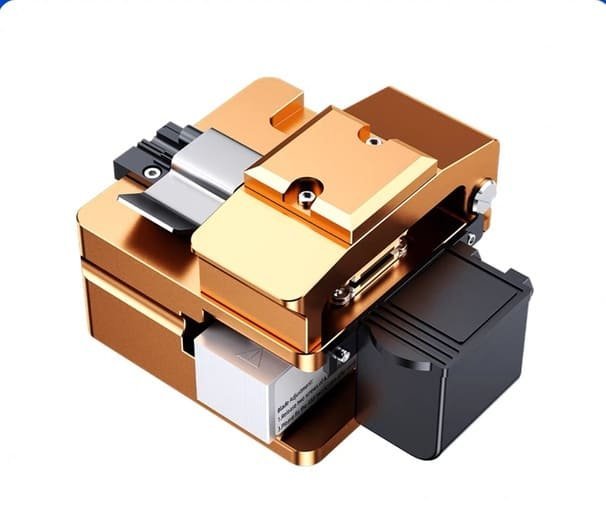
The second payoff is in the storeroom. A contractor running five different cleavers needs five kinds of spare blades, five sets of consumables, and five answers to the question "which one is broken?" A contractor running one cleaver model stocks one blade, knows how long it lasts, and can swap a faulty unit the same day from a single pool of spares. The same logic applies to strippers, cleaners, and test gear: fewer variants means fewer stockouts and less capital tied up in parts that only fit one van.
It also shortens downtime in the field. A technician who reports a worn blade or a damaged stripper does not have to wait for a special order; the replacement is the same tool they already know, and the job carries on. On a schedule measured in completed installations per day, that kind of friction adds up quickly.
Quality Stops Depending on Who Is on the Job
Perhaps the most important reason is quality. A standardized kit turns good practice into a habit: the same cleaning step before every connection, the same cleave check, the same test before handover. Customers — whether a network operator or a homeowner — cannot tell which crew did the work, and that is the point. Consistent tools and a consistent routine produce consistent results, which means fewer callbacks and fewer return visits to fix a connection that should have been right the first time.
Standardizing does not mean freezing the kit forever. Work changes: new connector types appear, networks move to different drop cables, and a tool that was right three years ago may no longer be the best fit. The contractors that do this well review the standard kit on a regular cycle and trial any change with one crew first, so the whole fleet only switches once the new tool has proved itself on real jobs.
The starting point is simple: write down what one complete kit should contain, equip every crew to that list, and treat any deviation as a decision rather than an accident. For a practical starting list, see our FTTH tool kit checklist. If you are standardizing your crews' kits, Licoom — Fiber Optic Tools supplies fiber optic tool kits built around the tools field crews actually use every day — cleavers, strippers, cleaners, and test gear in one case. Tell us what your crews install and we will put together a kit list to match. Contact us through the quote form below or email silvia@licoom.com. EXW factory pricing on request.