Quick answer: evaluate a fiber cleaver factory or supply partner on confirmed specifications, process control, sample consistency, inspection records, spare-parts support, MOQ, lead time, and clear responsibility for customization. Price matters, but it should be the last filter, not the first — a cheap cleaver that cleaves inconsistently costs more in rework than it saves on the invoice.
Start with verified product data
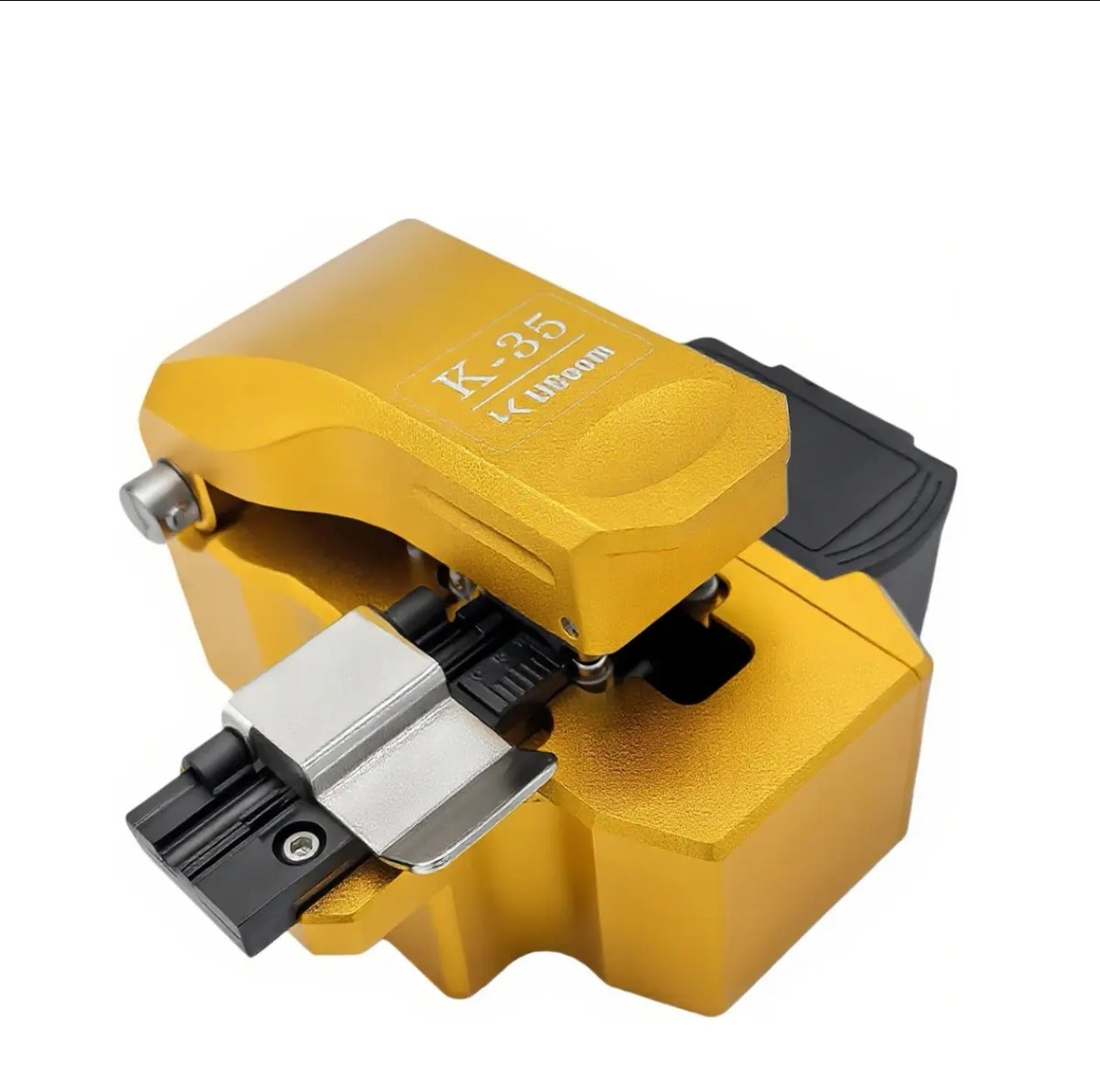
Ask for a model-specific datasheet, not a catalogue paragraph. For a cleaver it should state the cleave angle, supported fiber and coating dimensions, cleave length range, blade life in positions and cleaves, materials, size and weight. Compare what you receive with what the supplier publishes — our K-35 product page, for instance, states a cleave angle of ≤ 0.5° and a blade life of over 48,000 cleaves where any buyer can check it. A supplier who cannot produce a datasheet is telling you something about their process control.
Check process control, not just the product
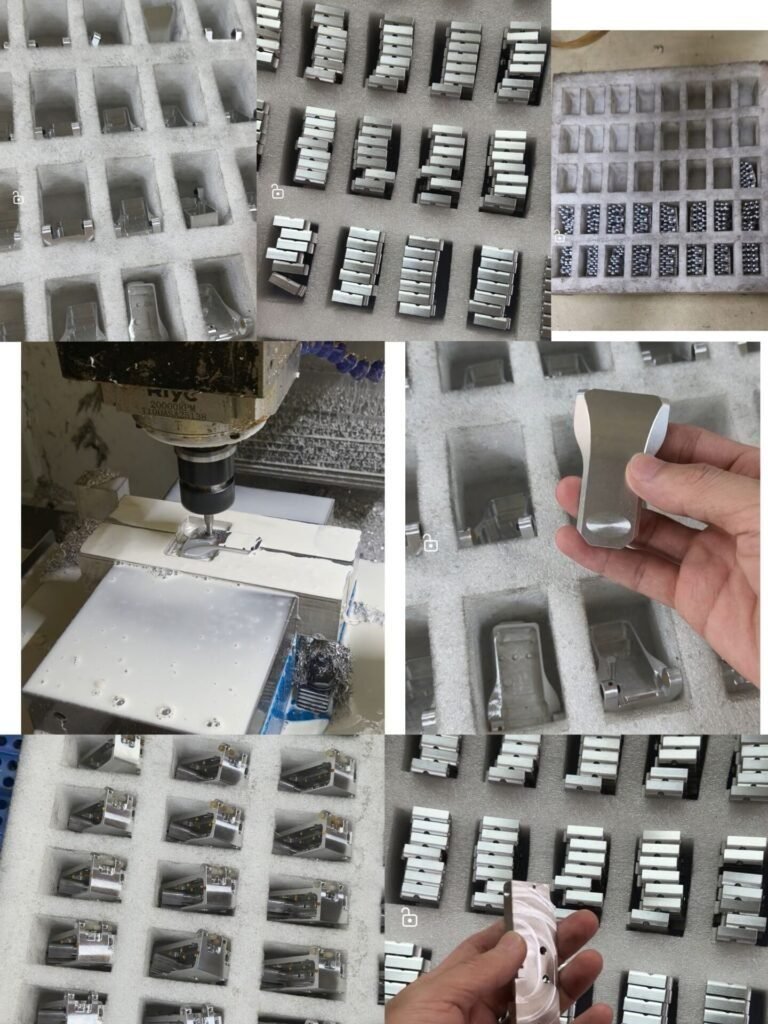
A good sample proves a factory can build one good cleaver; process control proves they can build ten thousand. Ask how cleave quality is made and checked on the line: what is inspected on every unit, what is sampled per batch, and what records exist. We showed our own side of this in Inside the Cleaver Workshop. Suppliers who welcome the question — and answer it specifically — are the ones whose bulk shipments match their samples.
Judge samples on consistency
Order samples before any bulk commitment (in B2B tooling, samples are normally charged at list price — treat a factory’s sample policy as a professionalism signal, not a bargaining chip). Do not just cleave once: run the blade through repeated cleaves and check the angle consistency, then compare the sample against the first bulk shipment when it arrives. Sample-to-bulk drift is the most common failure mode in cleaver sourcing, and it only shows up if you measure both.
Spares, support and commercial clarity
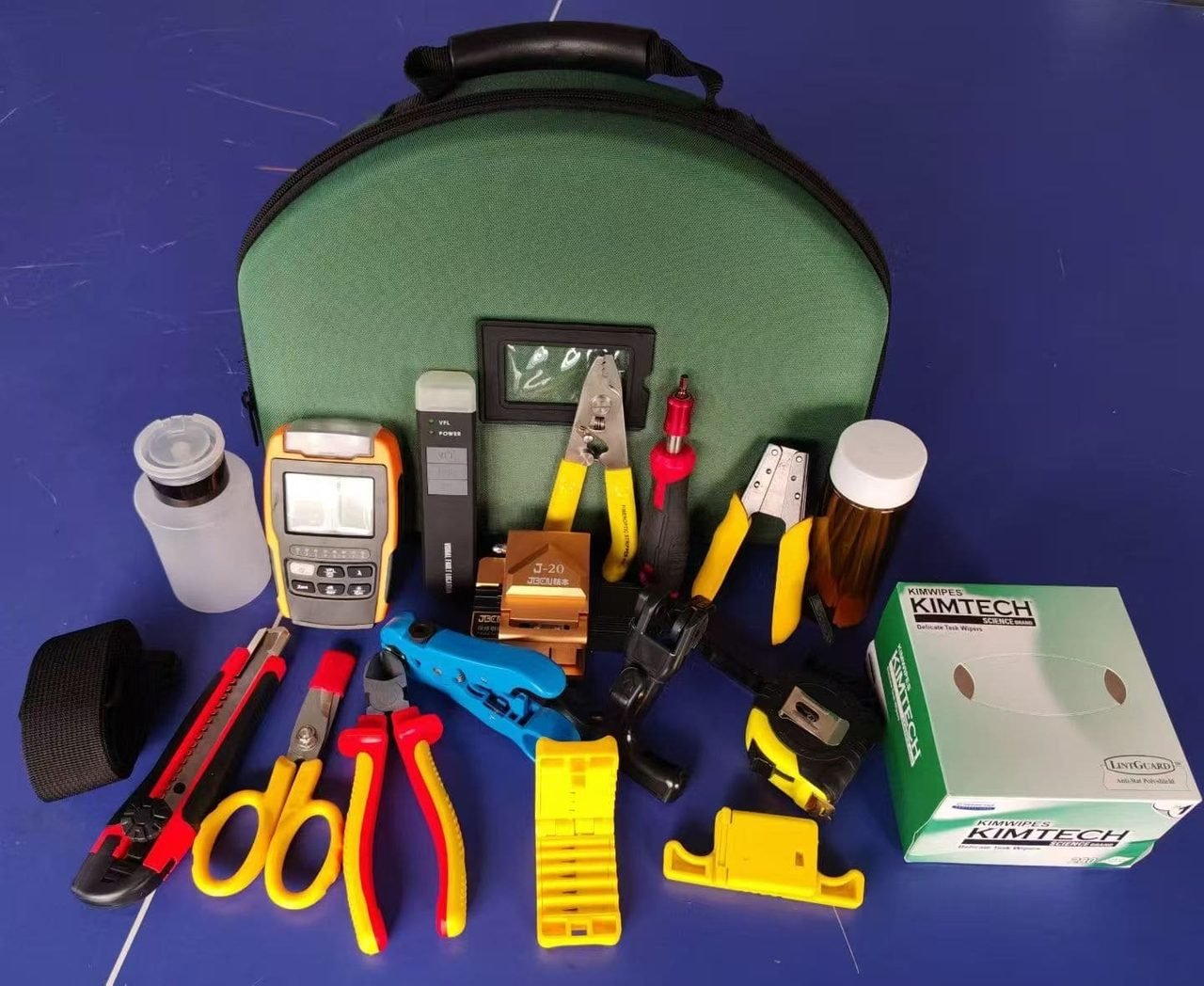
A cleaver is a long-life tool, so evaluate the tail, not just the tool. Are spare blades stocked and priced? What are the MOQ and lead time for repeat orders, and do they hold across the year? If you need customization — logo, case, kit configuration — who exactly is responsible for it, the trading contact or the factory floor? Get these answers in writing before the first order; the suppliers worth keeping answer them without being chased.
That is the standard we hold our own partner factories to, and the standard we are happy to be judged by. If you are qualifying a cleaver supplier, send us your specification list — we will answer it point by point, with factory pricing (EXW) where you ask for it: silvia@licoom.com.