
How to Choose a High-Precision Fiber Optic Cleaver: A Technician’s Guide
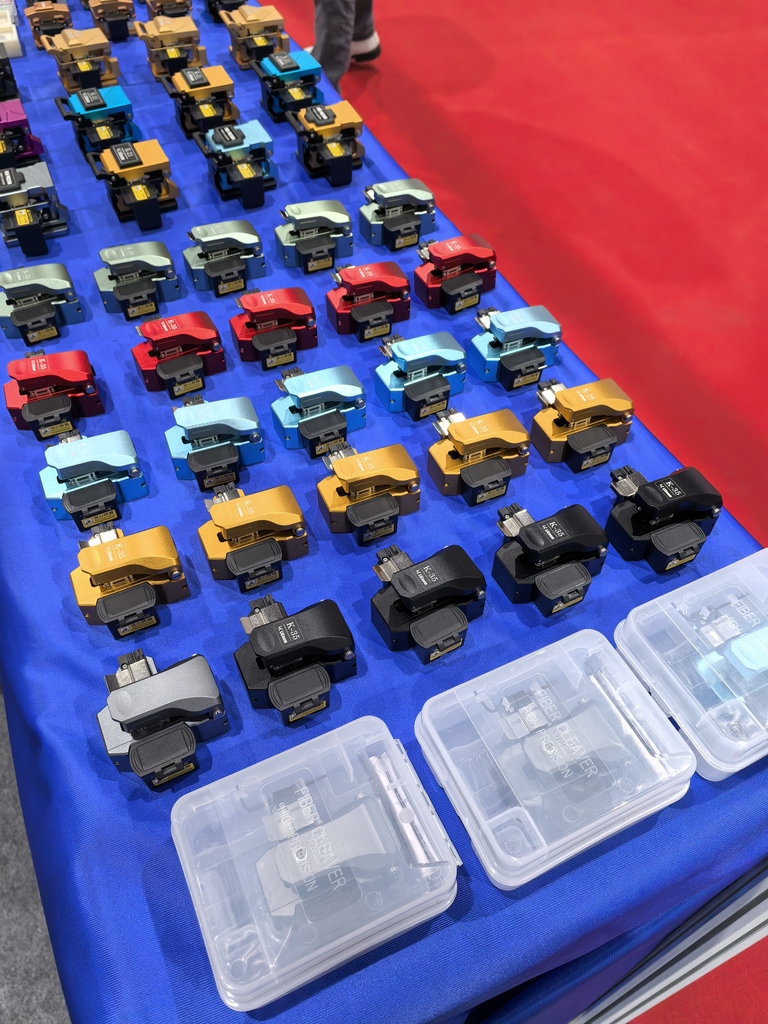
How to Choose a High-Precision Fiber Optic Cleaver: A Technician’s Guide
Looking for the best fiber optic cleaver? Learn the critical factors like cleave angle accuracy, blade life, and automation features to ensure low splice loss in your FTTH projects.
In the world of fiber optic splicing, the quality of your cleave is the single most important factor for success. Even the most expensive fusion splicer cannot fix a bad cut. As fiber networks expand in 2026, technicians need tools that offer not just precision, but consistent performance.
1. Cleave Angle Accuracy: The <0.5° Rule
The industry standard for a “good” cleave is an angle of less than 1 degree. However, for high-performance fusion splicing, you should aim for a cleave angle consistently below 0.5 degrees.
Why it matters: A higher angle causes gaps between the fiber cores, leading to high insertion loss and signal reflection.
Our Recommendation: Tools like the LiCoom K-35 are designed to maintain this 0.5° precision over thousands of cycles.
2. Blade Life and Material
A cleaver is only as good as its blade. When comparing models, look at the Blade Life (total number of cuts).
Tungsten Steel vs. Others: Professional cleavers use high-grade tungsten steel blades.
Longevity: Look for a blade rated for at least 48,000 cuts. This ensures a lower cost-per-cleave and less downtime for replacements.
3. Automation Features (Saving Time in the Field)
Modern FTTH construction requires speed. Manual adjustments waste time. Look for these “One-Step” features:
Automatic Blade Rotation: The blade moves to a fresh position after every cut, ensuring even wear.
Automatic Scrap Collection: Safely collects glass shards, preventing injury and keeping the workspace clean.
Auto-Anvil Drop: Reduces the number of steps required for a perfect cleave.
4. Durability for Harsh Environments
Field work isn’t always done in a clean office. Your cleaver must be built for the “real world.”
Drop Resistance: Look for a ruggedized body with rubber bumpers.
Dust & Water Resistance: Essential for maintaining precision in outdoor deployments.
🛠️ Professional Maintenance Checklist (FAQ)
Q: How often should I clean my cleaver blade? A: We recommend a quick wipe with 99.9% isopropyl alcohol and a lint-free wipe every 10–20 cuts. Dust is the #1 enemy of a clean cleave.
Q: My fusion splicer shows a “Large Cleave Angle” error. What should I do? A: First, clean the rubber pads and the fiber guide. If the problem persists, it may be time to rotate the blade to a fresh position.
Q: Can one cleaver handle different fiber types? A: Yes, professional cleavers are compatible with 250μm and 900μm coated fibers, as well as 12-count ribbon fibers if equipped with the right holder.