
Quick answer: A fiber cleaver supplier should be evaluated by confirmed specifications, process control, sample consistency, inspection records, spare-parts support, MOQ, lead time, and clear responsibility for customization.
Start with Verified Product Data
Ask for a model-specific datasheet covering cleave angle, supported fiber dimensions, blade life, cleave length, material, size, and weight. The information in the quotation, catalog, and sample should match.
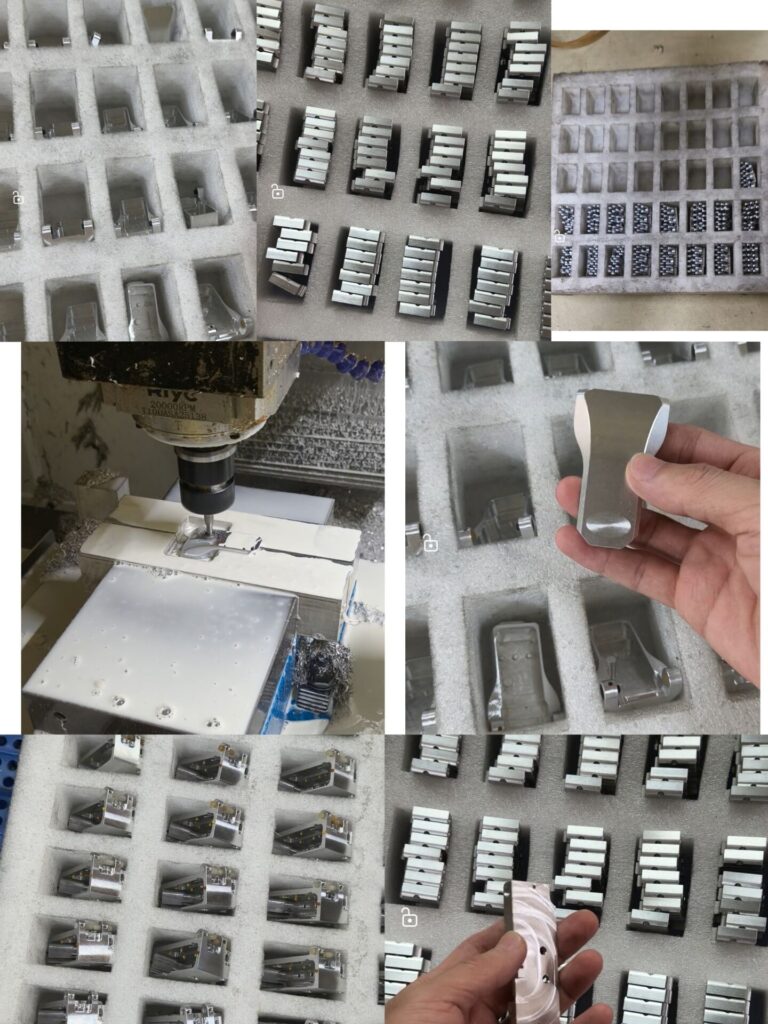
Review the Manufacturing and Inspection Process
- Material and component identification
- CNC machining and assembly controls where applicable
- Blade and holder inspection
- Finished-tool functional checks
- Batch and shipment traceability
Do not rely only on factory videos or marketing claims. Request the inspection method and an example record for the exact model.
Evaluate the K-35 as a Sample Project
| Body | CNC-machined aluminum alloy |
|---|---|
| Operation | One-step cutting with automatic rebound |
| Confirmed cleave angle | Below 0.5 degrees |
| Confirmed blade life | 48,000 cleaves |
| Supported structures | Confirm holder configuration for 250 μm, 900 μm, pigtail, patch cord, or drop cable |
Questions for Distributors
- What are the MOQ tiers and current prices?
- Which accessories and packaging are included?
- Are replacement blades available?
- What is the warranty and defect-handling process?
- Can branding, color, or packaging be customized, and at what MOQ?
Request Supplier Information
Send LiCoom the target model, annual quantity, destination market, branding requirements, packaging requirements, and required compliance documents. Availability and customization conditions should be confirmed before quotation.